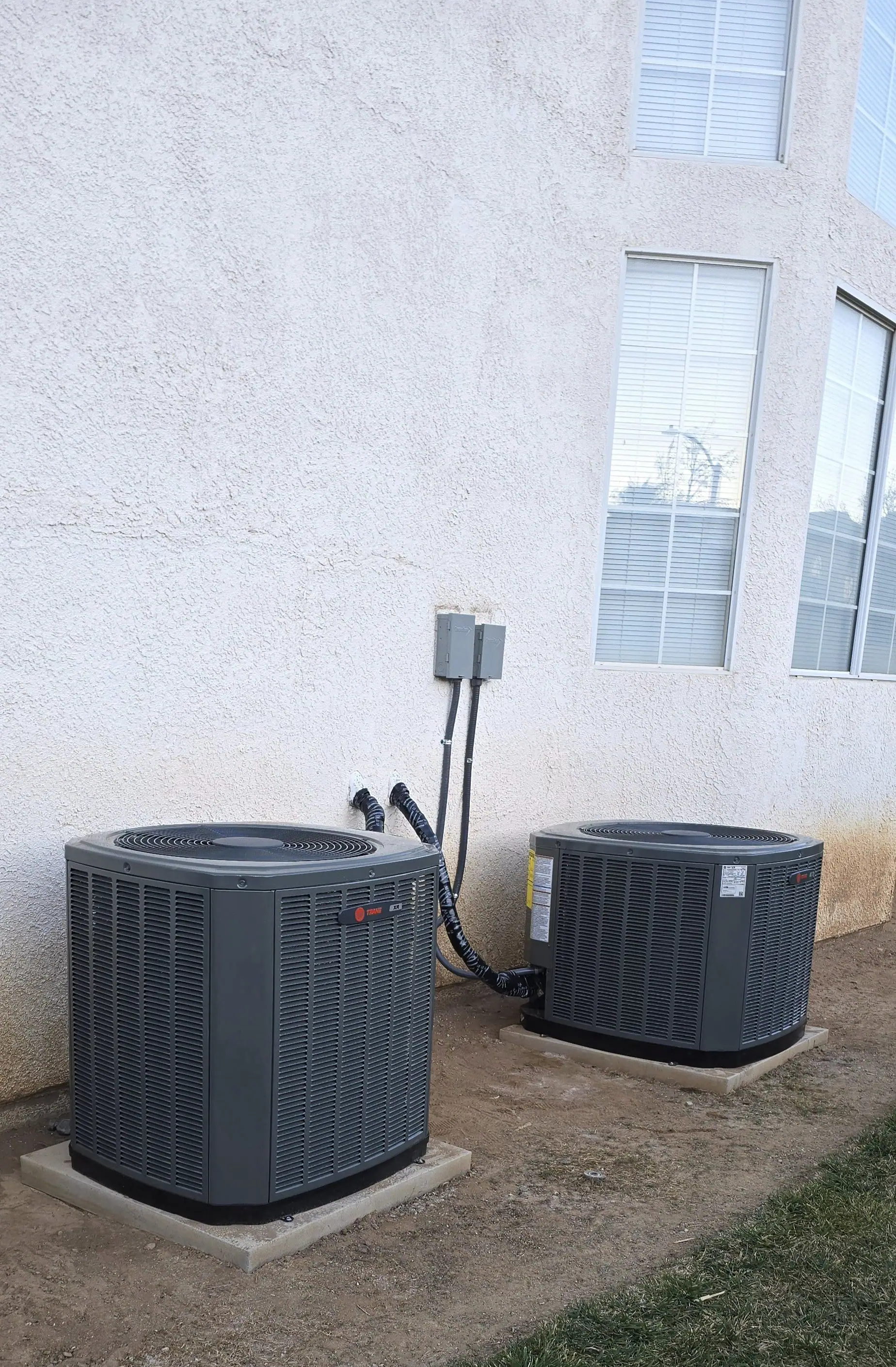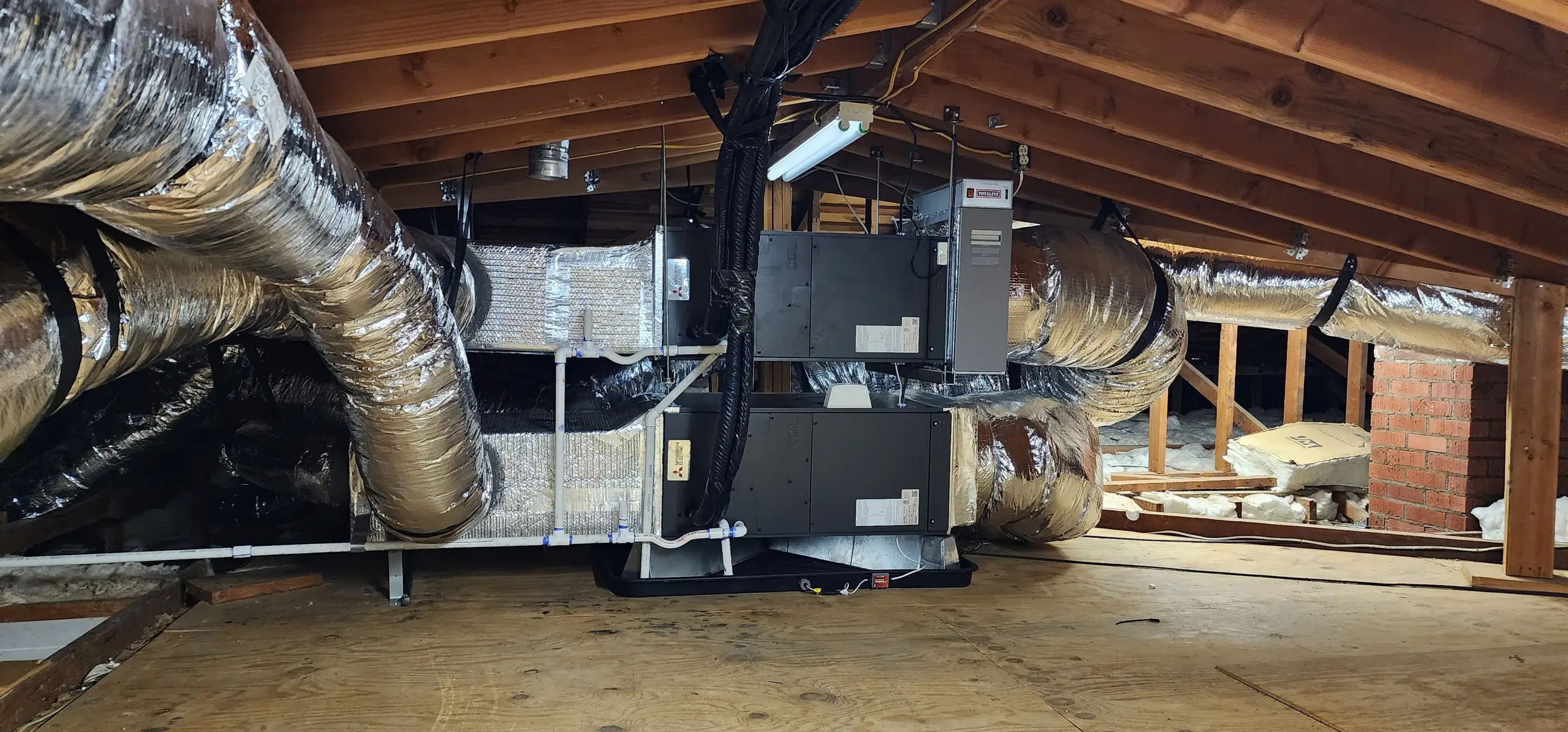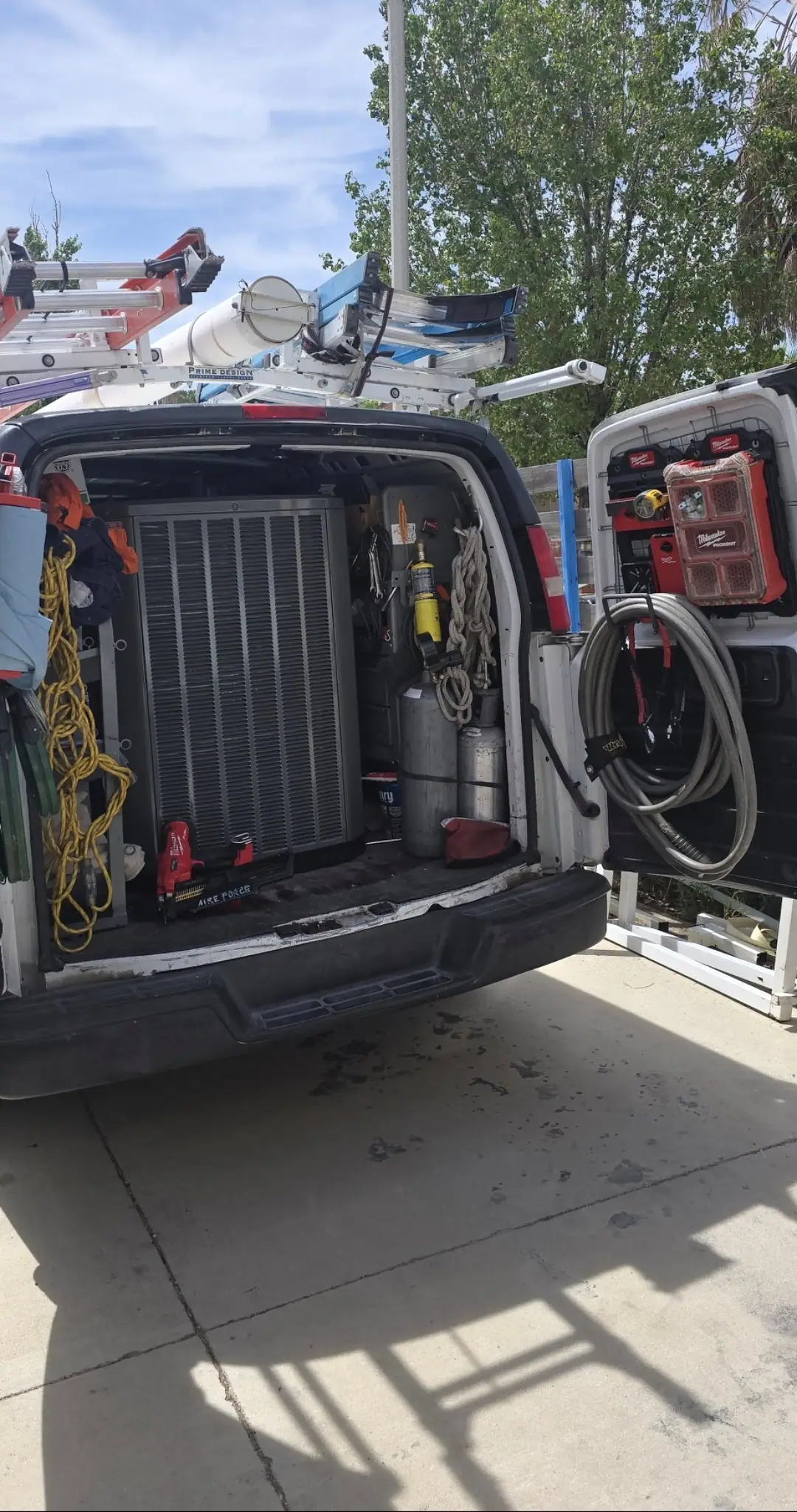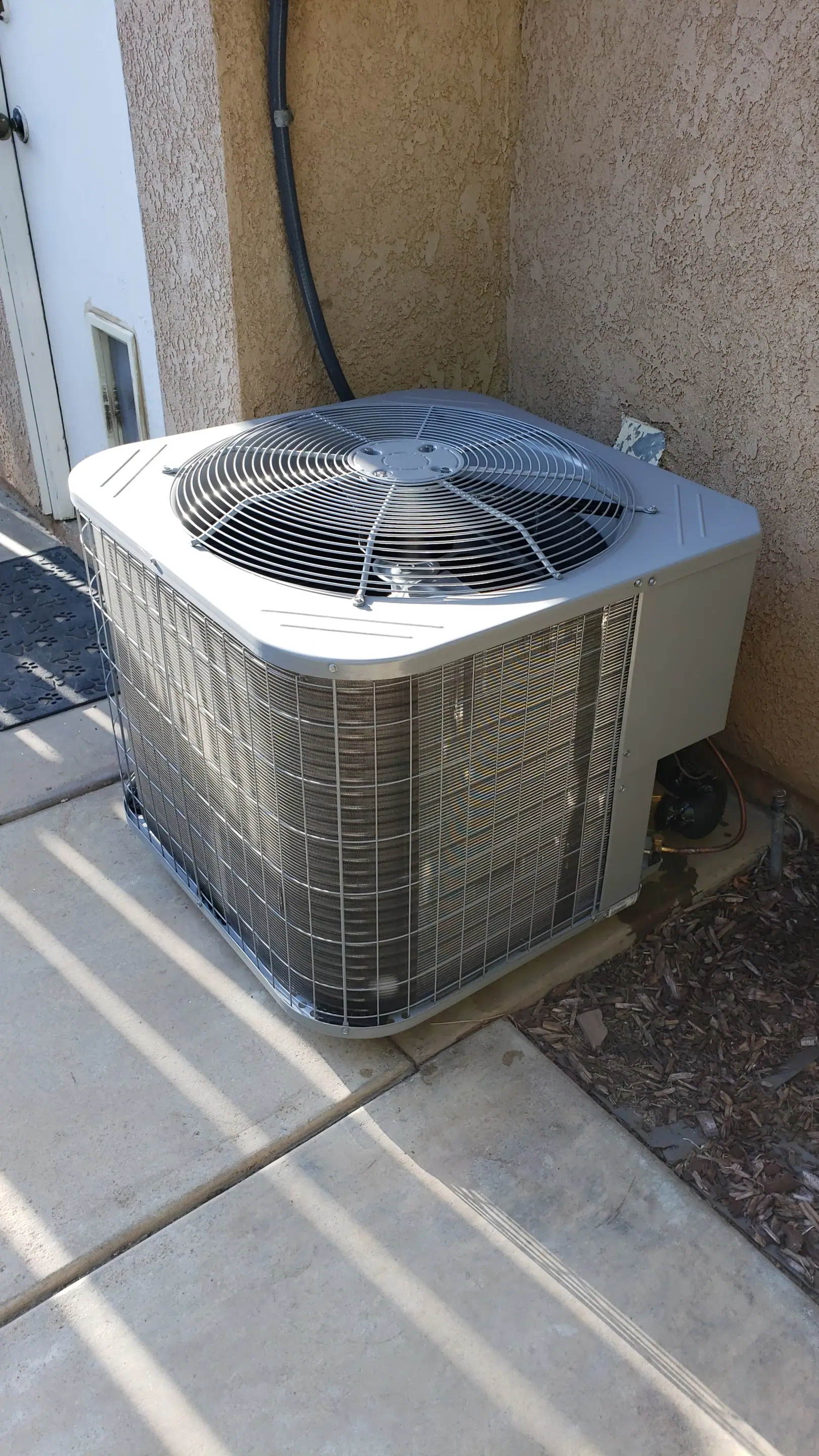
Short answer
Yes. In California, installing a mini-split or replacing an air conditioner, heat pump or furnace needs a permit, and the work must be tested by an independent ECC rater, formerly called a HERS rater (CHEERS). In Palmdale and Lancaster the city issues the permit. In Quartz Hill, Acton, Littlerock and other unincorporated areas, Los Angeles County does.
A lot of homeowners are surprised to learn that swapping an air conditioner or adding a mini-split needs a permit and an inspection. In California it does, every time. This guide explains why, which office issues the permit for your address in the Antelope Valley, what the independent test checks, the paperwork you should end up with, and what goes wrong when the permit is skipped.
Why a mini-split or AC swap needs a permit
California’s energy code, Title 24 Part 6, treats installing or replacing heating and cooling equipment as an alteration to the house, and alterations have to meet the code in force when the work is done. Since January 1, 2026 that is the 2025 Building Energy Efficiency Standards. A permit is how the city or county confirms the work meets them.
CHEERS, one of the state-approved registries for this testing, says it in one line: a permit and independent testing are required when making changes to your home’s HVAC system. The work must be permitted, installed by a licensed HVAC contractor, and tested and verified by an independent rater.That covers more than people expect. A like-for-like swap of a worn-out condenser needs a permit. So does a new mini-split in a bedroom, a heat pump replacing a furnace and air conditioner, or a system moved to a new spot. Replacing a small part during a repair, like a capacitor or a fan motor, is a repair, not an alteration, and does not trigger the same process.
Who issues the permit in the Antelope Valley
The office depends on whether your address is inside a city or in unincorporated Los Angeles County. In practice, your contractor pulls the permit, but it helps to know where it comes from:
| Where you live | Who issues the permit | How it is filed |
|---|---|---|
| City of Palmdale | Palmdale Building and Safety | Through the city’s online permit portal |
| City of Lancaster | Lancaster Building and Safety | Residential HVAC permits through Symbium since September 1, 2025 |
| Quartz Hill, Acton, Littlerock, Lake Los Angeles and other unincorporated areas | Los Angeles County Public Works, Building and Safety | Through EPIC-LA, the county’s permit system |
Lancaster’s permit page adds a point every homeowner should know: work can only begin once the permit fees have been paid and the permit issued. If you are not sure whether your address is in a city or the county, a search for it in EPIC-LA shows which office serves it. Mailing addresses do not always match city limits, especially around the edges of Palmdale and Lancaster.
Whichever office it is, the process looks similar from your side. The contractor files the application with the details of the equipment, the city or county issues the permit, the work is done, the rater tests it, and an inspector signs it off. Your part is mostly access: someone home to let the inspector and the rater in, and a clear path to the attic, the indoor unit and the outdoor unit on those days.
CHEERS, which registers California’s HVAC testing, puts it plainly: a contractor who skips the permit or the rater is breaking the law.
What the ECC (HERS) rater checks
After the install, an independent rater comes out to test the system. For years these were called HERS raters; CHEERS now calls them ECC raters. The California Energy Commission runs the rater program, and the rater works for neither you nor the contractor.
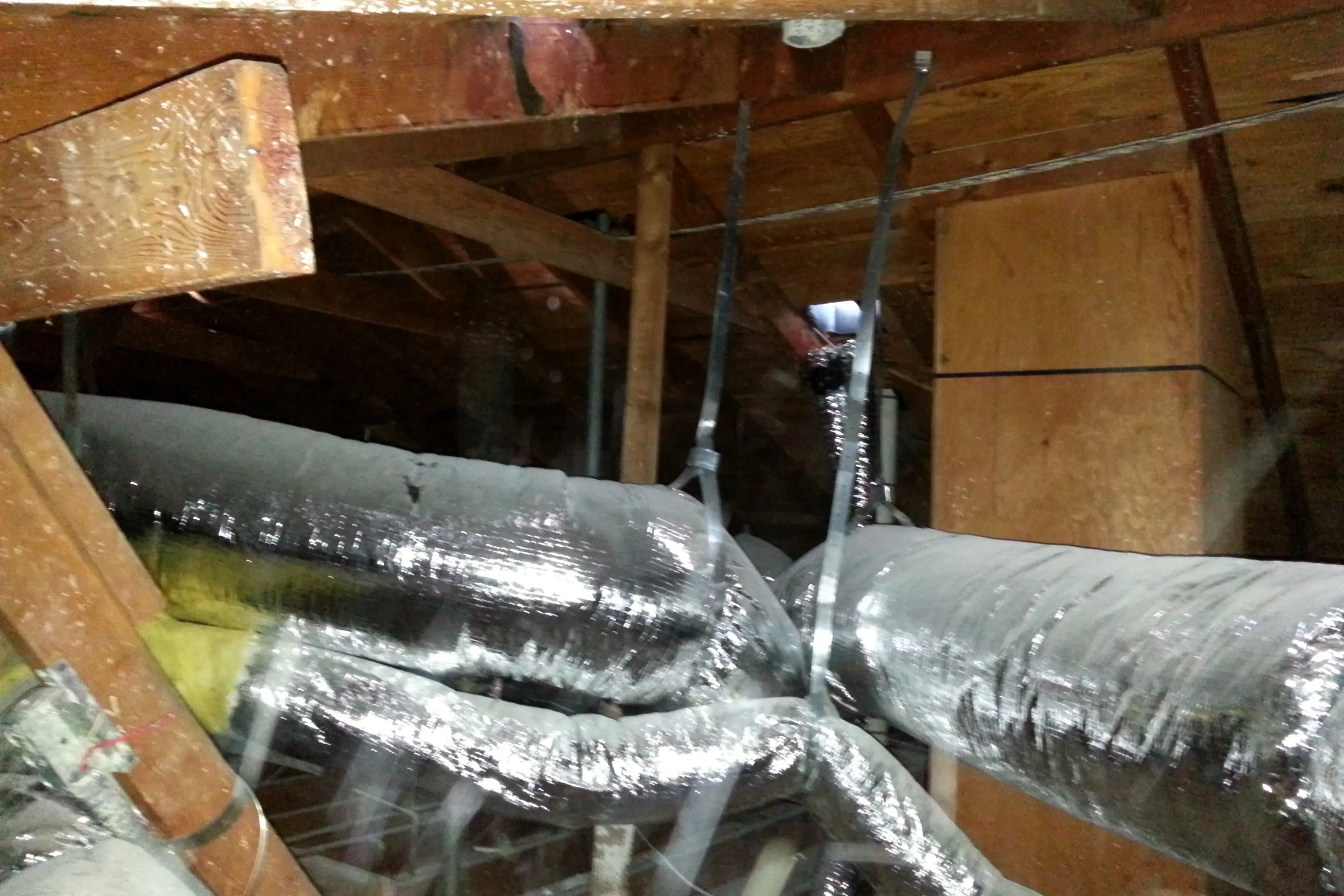
What gets tested depends on the system and what changed. For a ducted system, the tests can include how much air leaks out of the ducts, how much air moves across the indoor coil, how much power the fan uses and whether the refrigerant charge is right. Those are the things that decide whether a new system actually delivers what it was rated for. A ductless system has no ducts to test, but it still goes through the permit and inspection.
Duct leakage is the big one in this valley. ENERGY STAR estimates that a typical home loses 20 to 30 percent of the air in its ducts to leaks, and in a Palmdale attic in July that air is lost into some of the hottest space in the house. The test is the only time anyone measures it.
If a test fails, the contractor corrects the problem, whether that is sealing a duct joint, adjusting the airflow or the charge, and the rater tests again. The permit is not closed until the project passes, which is the point: the homeowner gets a system that was measured, not just installed. Plan to give the rater access to the attic, the indoor unit and the outdoor unit, and expect the visit to take a while on a ducted system.
Climate Zone 14 and what it means for your system
California splits the state into 16 building climate zones, and the energy code sets different rules for each. Palmdale and Lancaster are in Climate Zone 14, the high desert (CEC climate zone maps), which is why the forms and some requirements differ from a job in Los Angeles or on the coast.
The zone reflects the weather the system has to handle. WeatherSpark’s Palmdale averages show July highs around 95°F and December lows around 34°F, with a hot season from mid-June to mid-September. Equipment and ducts that work fine at the beach can fall short here, so the code asks more of them.
You do not need to know the code to hire well. What you need is a contractor who files the forms for your zone, schedules the test and gives you the results. If an estimate does not mention the permit at all, ask about it before you sign.
Mini-splits in garages, additions and ADUs
A mini-split for a converted garage, an addition or a backyard unit goes through the same permit and testing as one in the main house, and often more. When a garage becomes living space, the California Energy Commission’s ADU guidance treats the conversion as an addition under the energy code, which brings insulation, windows and the heating and cooling into the energy paperwork together.
The same guidance says mini-split and multi-split systems in an ADU may require field verification and diagnostic testing by a rater, depending on the scope of the project, and that every system has to meet the code’s mandatory equipment requirements.
In unincorporated Los Angeles County, the county runs a garage conversion to ADU program with standard plans for converting an existing single-story garage, and its submittal list includes Title 24 energy sheets or calculations. Palmdale and Lancaster handle ADU permits through their own building departments.
The practical point: if a garage gym or a casita is becoming a bedroom or a rental, plan the heating and cooling with the rest of the permit set. Adding a unit after the walls are closed, outside the permit, is the same unpermitted work this post warns about, with a bigger project riding on it.
The paperwork you should end up with
When the job is done right, you should have a short stack of paper, or the digital versions. CHEERS lists the documents a homeowner should receive from the testing process:
- Consumer Information Form. Filled out before testing starts. It explains the testing and your rights as the owner.
- Project Owner Report. Your copy of what was installed and tested.
- Project Status Report. Shows whether the project passed the required tests.
- The permit, signed off. Final inspection approved by the city or county.
Keep these with the house records. A buyer’s inspector may ask whether the system was permitted, and any rebate program that opens in the future will ask for proof the work was permitted and tested. Our post on heat pump rebates in Palmdale covers where those programs stand.
What happens when the permit is skipped
Some contractors offer a lower price by leaving the permit out. CHEERS is blunt about it: if a contractor does not pull a permit or use a rater for final testing, the contractor is breaking the law. It also lists what tends to follow from unpermitted, untested work:
- it may not meet local and state building codes
- it may not run efficiently, which raises utility bills
- it can reduce indoor air quality
- it may lower the home’s resale value
- it can affect insurance coverage and rates
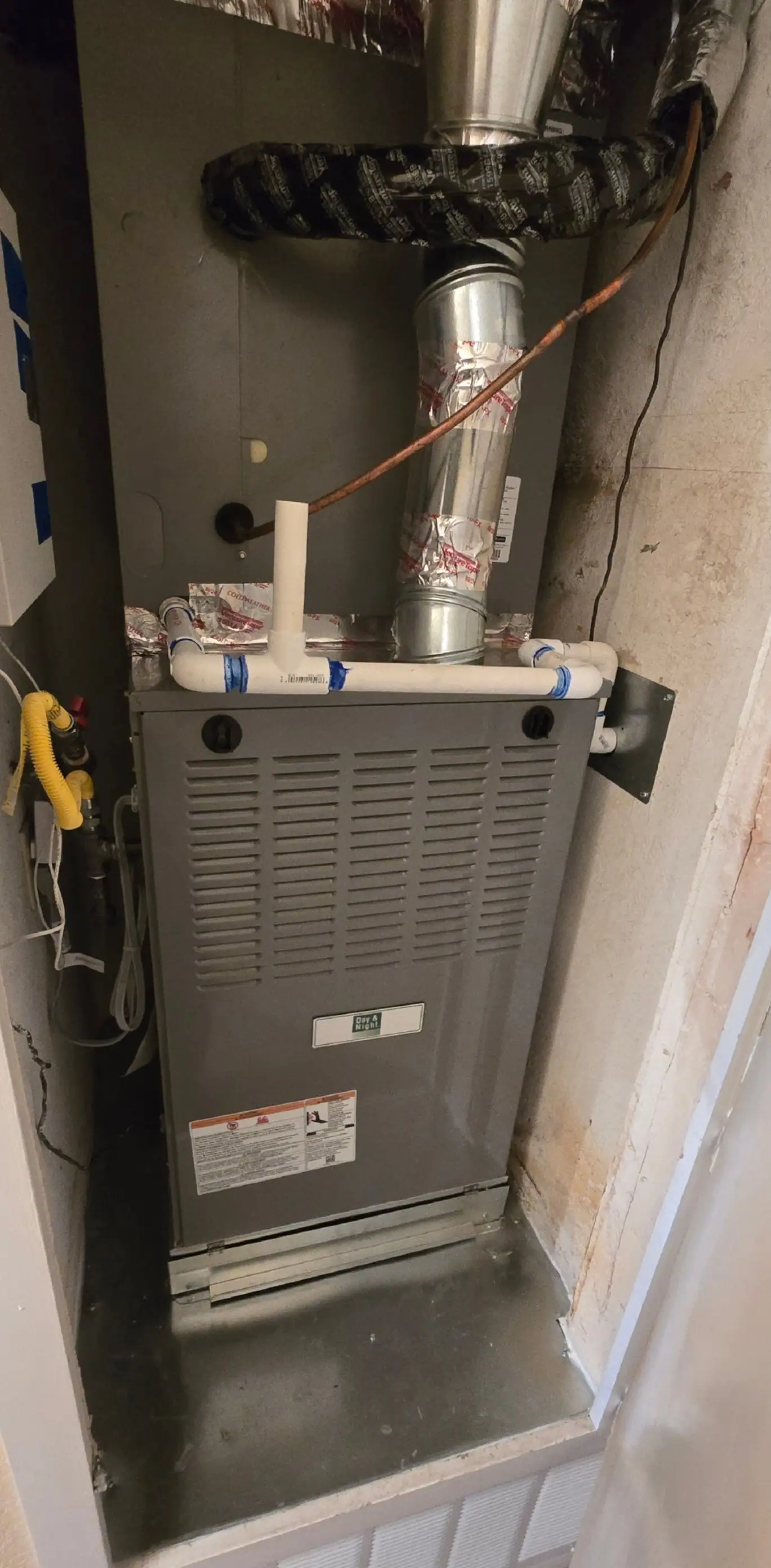
The savings on the permit are small next to those risks. And a system that was never tested may have leaky ducts or the wrong refrigerant charge that nobody ever measured, so you pay for it in every summer bill.
How to check a contractor before you sign
Start with the license. The Contractors State License Board license check shows whether a license is active, what classification it carries and whether it has a bond and workers’ compensation on file. The CSLB consumer pages have more on hiring a contractor and reading a contract. Then ask three questions:
- Is the permit included in the price, and who pulls it?
- Who schedules the rater test, and will I get the results?
- What happens if the system fails a test?
Aire Force is licensed in California under license number 1011271, and every system replacement and mini-split install starts with a free in-home consultation where we go over every detail before any work begins. We work in Palmdale, Lancaster and the unincorporated communities around them.
Questions people also ask
Do I need a permit to replace just the outdoor unit?
Yes. Replacing a condenser or heat pump outdoor unit is an alteration under the energy code, so it needs a permit and testing like a full system replacement.
Can I pull the permit myself?
Owners can pull some permits on their own homes, but the work and the testing still have to meet the code, and the owner takes on the responsibility for it. For HVAC work done by a contractor, the contractor normally pulls it.
Does a portable or window air conditioner need a permit?
No. A plug-in window or portable unit is an appliance, not an alteration to the house. A mini-split, even a small one for one room, is a permanent system and does.