Why AC breaks down in the high desert
Summers here are long and hot. WeatherSpark’s Palmdale averages put July at an average high of 95°F, with a hot season from about mid-June to mid-September, so an air conditioner here runs more hours each year than the same unit near the coast. The windy season runs from November into June, and wind and dust clog filters and pack into outdoor coils. A clogged coil cannot shed heat, so the system runs hot and wears parts out early.
Many breakdowns start small: a filter nobody changed, a weak capacitor, a slow leak, a drain line full of dust. Regular maintenance catches most of them before they leave you without air on the hottest day of the year.
Common AC problems and what they usually mean
Most calls come down to a handful of symptoms. Here is what each one usually points to, so you know what you are describing when you call:
| What you notice | What it often means |
|---|---|
| Runs, but the air isn’t cold | A dirty filter or coil, low refrigerant from a leak, or a failing part outdoors |
| Outdoor unit hums but the fan doesn’t spin | A failed capacitor or fan motor |
| Won’t turn on at all | Thermostat, a tripped breaker, a safety switch or a failed contactor |
| Ice on the copper lines or indoor coil | Restricted airflow or low refrigerant |
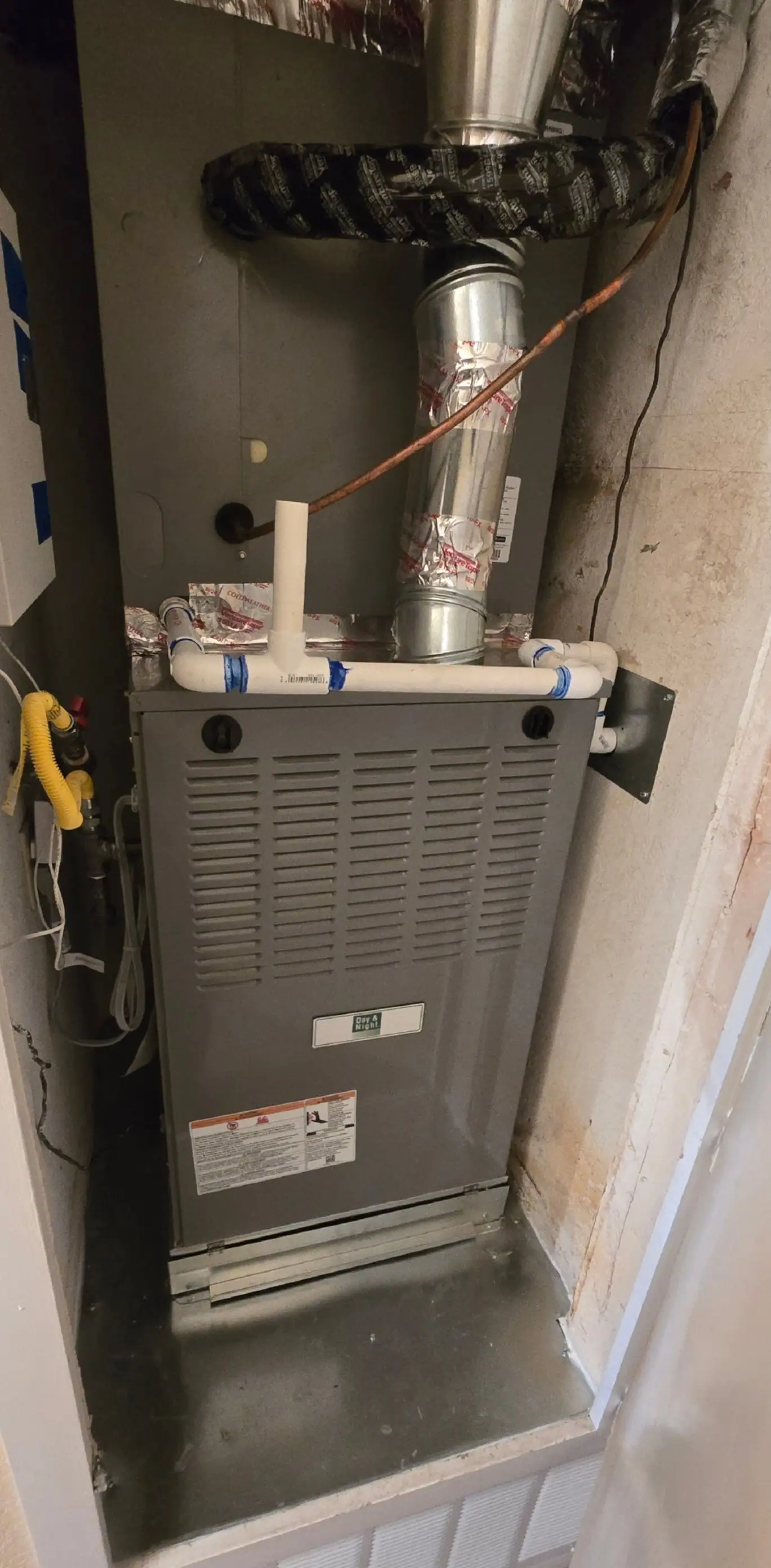
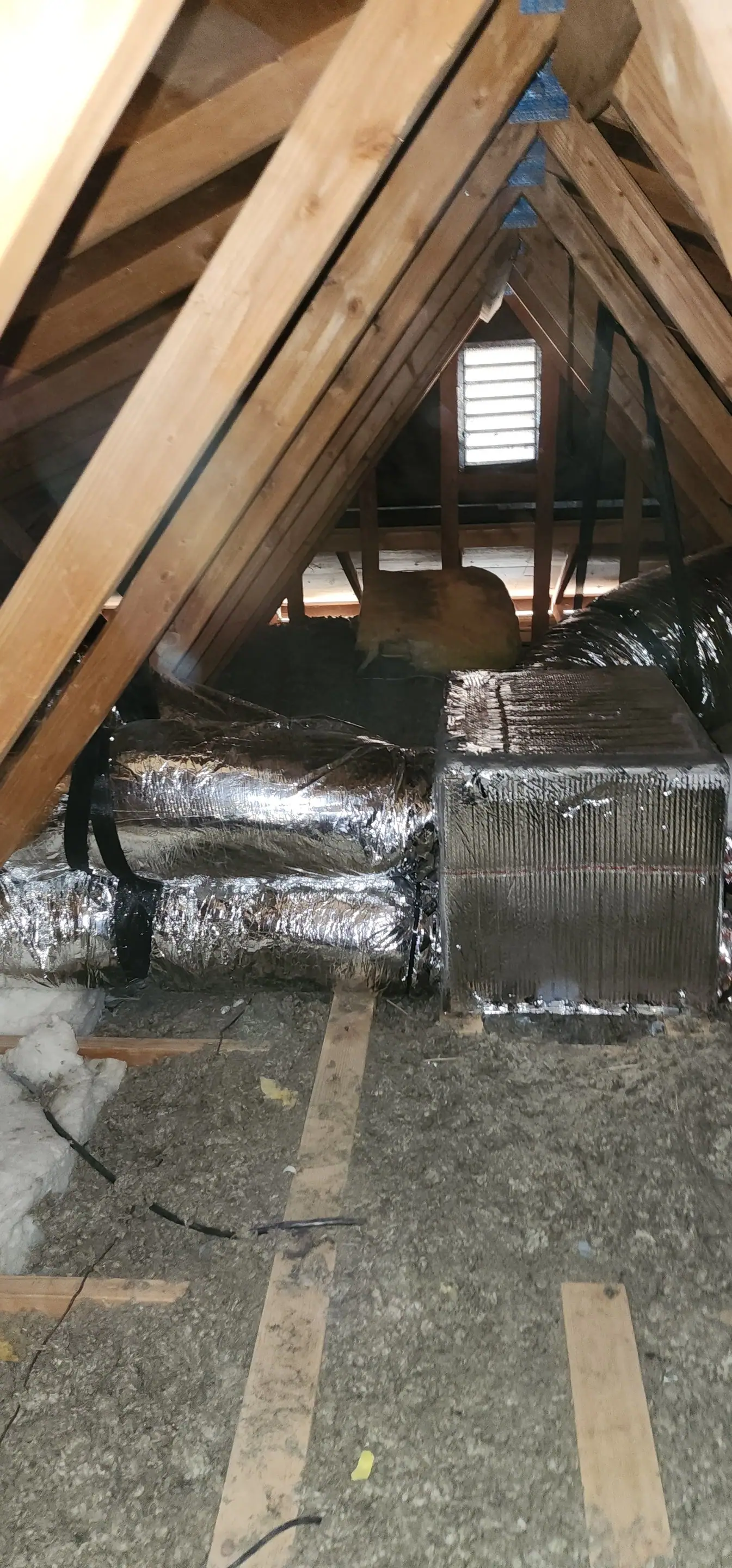
| Water around the indoor unit or furnace | A clogged condensate drain |
| Short on, short off cycles | An airflow, sizing or control problem |
| Breaker trips again and again | An electrical fault or a compressor working too hard |
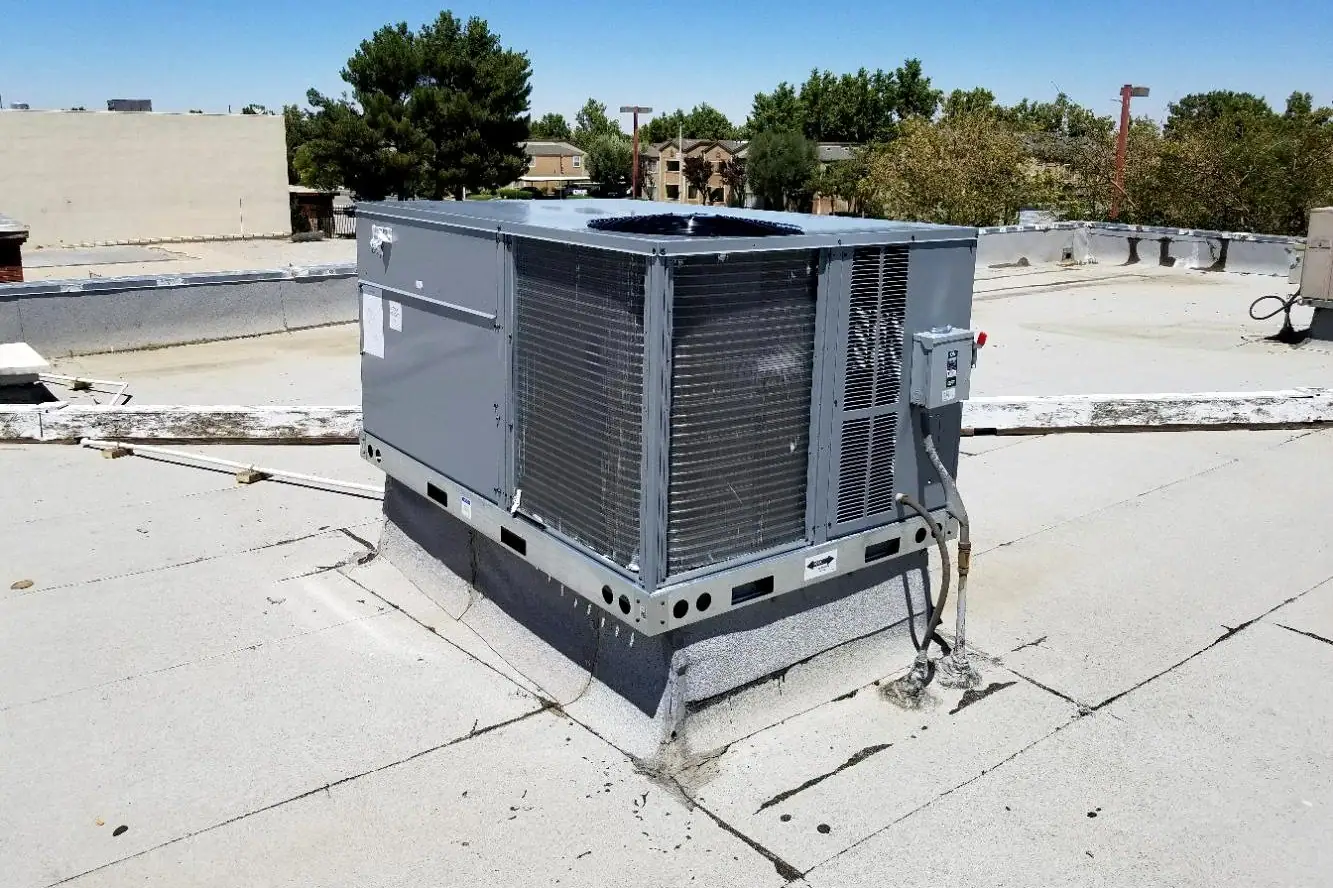
What to check before you call
A few checks are safe for anyone and sometimes solve the problem outright:
- Thermostat. Set to Cool, a few degrees below the room, with fresh batteries.
- Breakers. Look for a tripped breaker for the air conditioner or the air handler and reset it once. If it trips again, leave it off and call.
- Filter. A clogged filter can stop the cooling and freeze the coil. Swap it for one the same size.
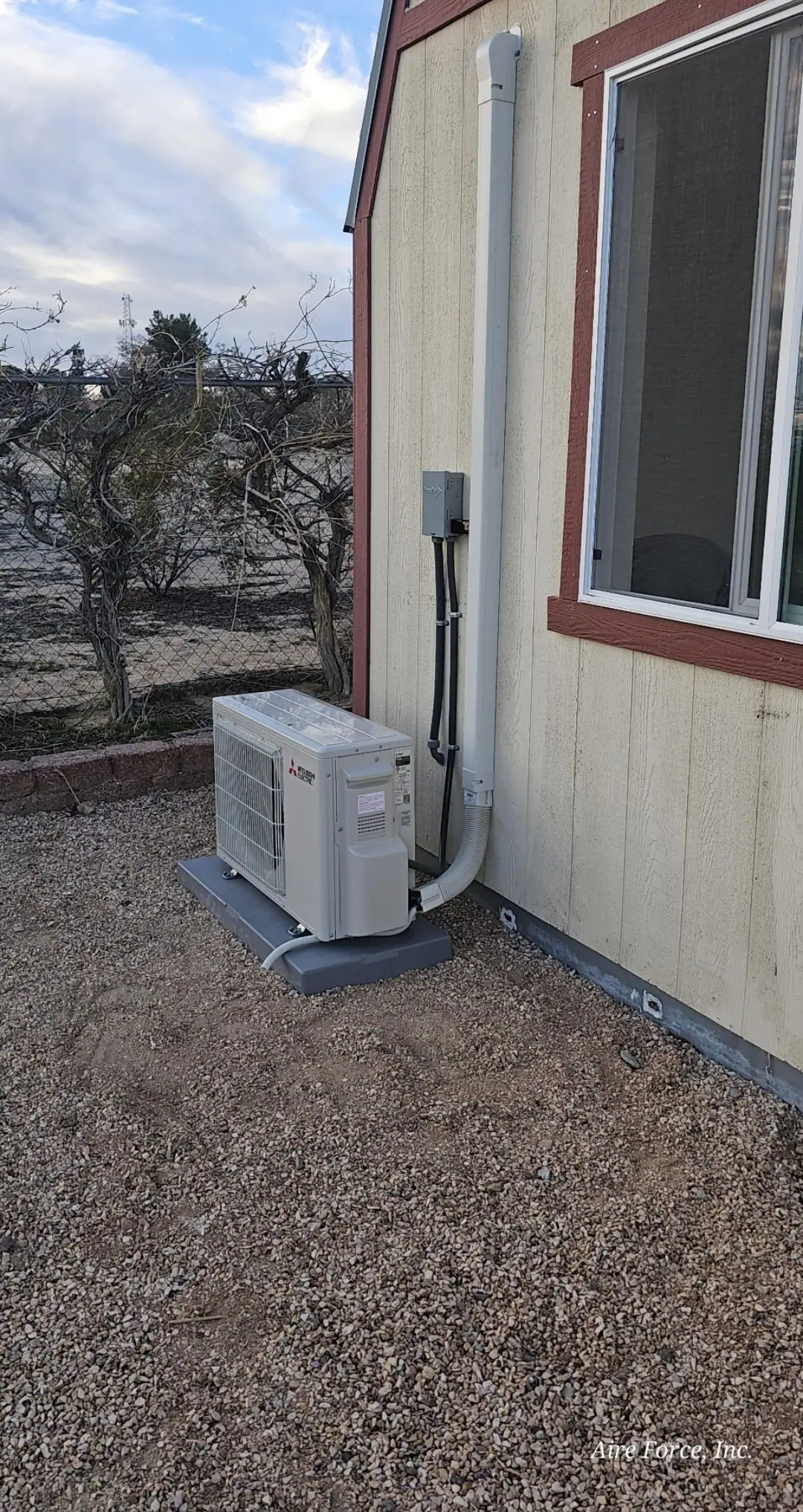
- Outdoor unit. Clear away tumbleweeds, leaves and anything piled against it.
- Drain. Some systems shut off when the condensate drain backs up. Water near the indoor unit is the clue.
If the lines are iced, turn the cooling off and let it thaw before you run it again. Running it frozen can damage the compressor.
Refrigerant leaks and older systems
An air conditioner does not use up refrigerant. If it is low, it is leaking. The EPA asks homeowners to have technicians find and repair leaks rather than top off a leaking system, and to make sure the technician holds the Section 608 certification required to handle refrigerant.
Systems installed before about 2010 often use R-22. The EPA says no new R-22 has been made or imported into the United States since January 1, 2020, and only recovered and cleaned R-22 remains for service. You are not required to replace an R-22 system, but a major leak on one is often the point where a new system makes more sense than another repair.
Repair or replace?
If a repair makes sense, we repair it. If the system is old, needs expensive parts or keeps breaking, we tell you that too, and you decide. There is no pressure either way.
Ductless mini-split repair
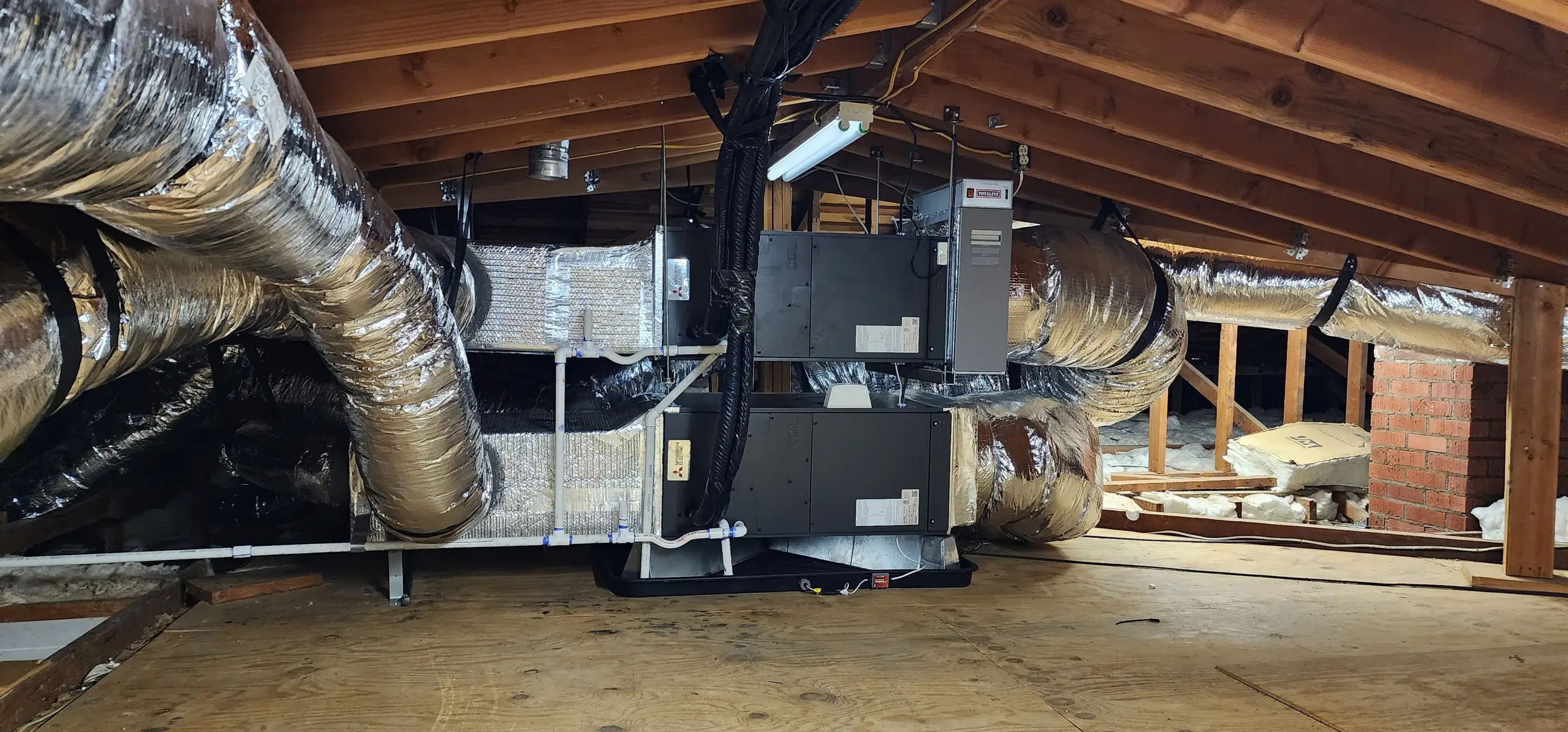
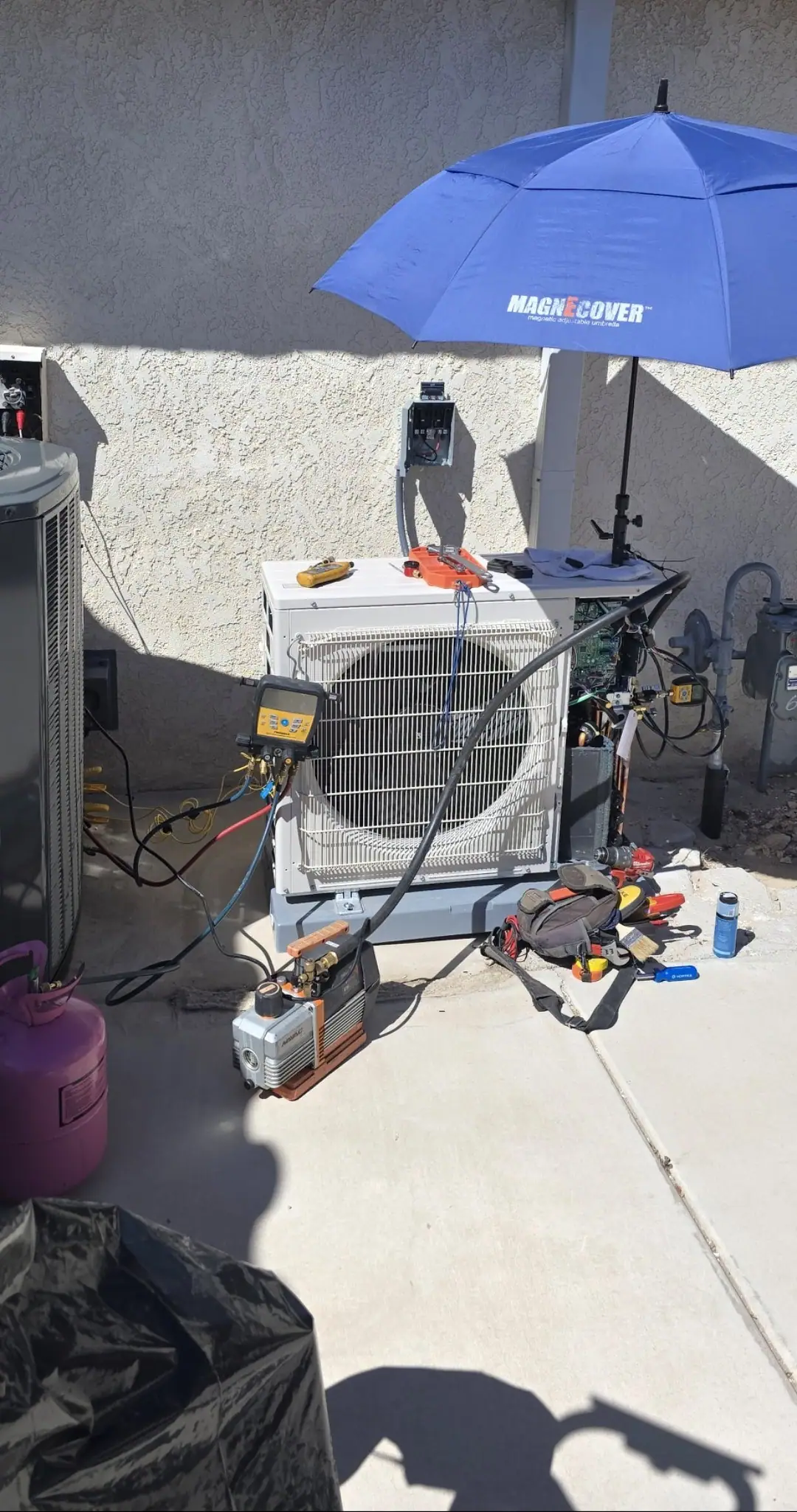
Mini-splits have their own common problems: a clogged indoor filter that cuts the airflow, a dirty indoor coil or blower wheel that weakens the cooling and starts to smell musty, a blocked drain that drips down the wall, and a blinking light or error code on the indoor unit that points to the cause. ENERGY STAR says to clean the indoor filter when it looks dirty or the filter light comes on.
When you call about a mini-split, tell us the blink pattern or error code if there is one, and how many indoor units are on the system.