When to schedule: spring and fall
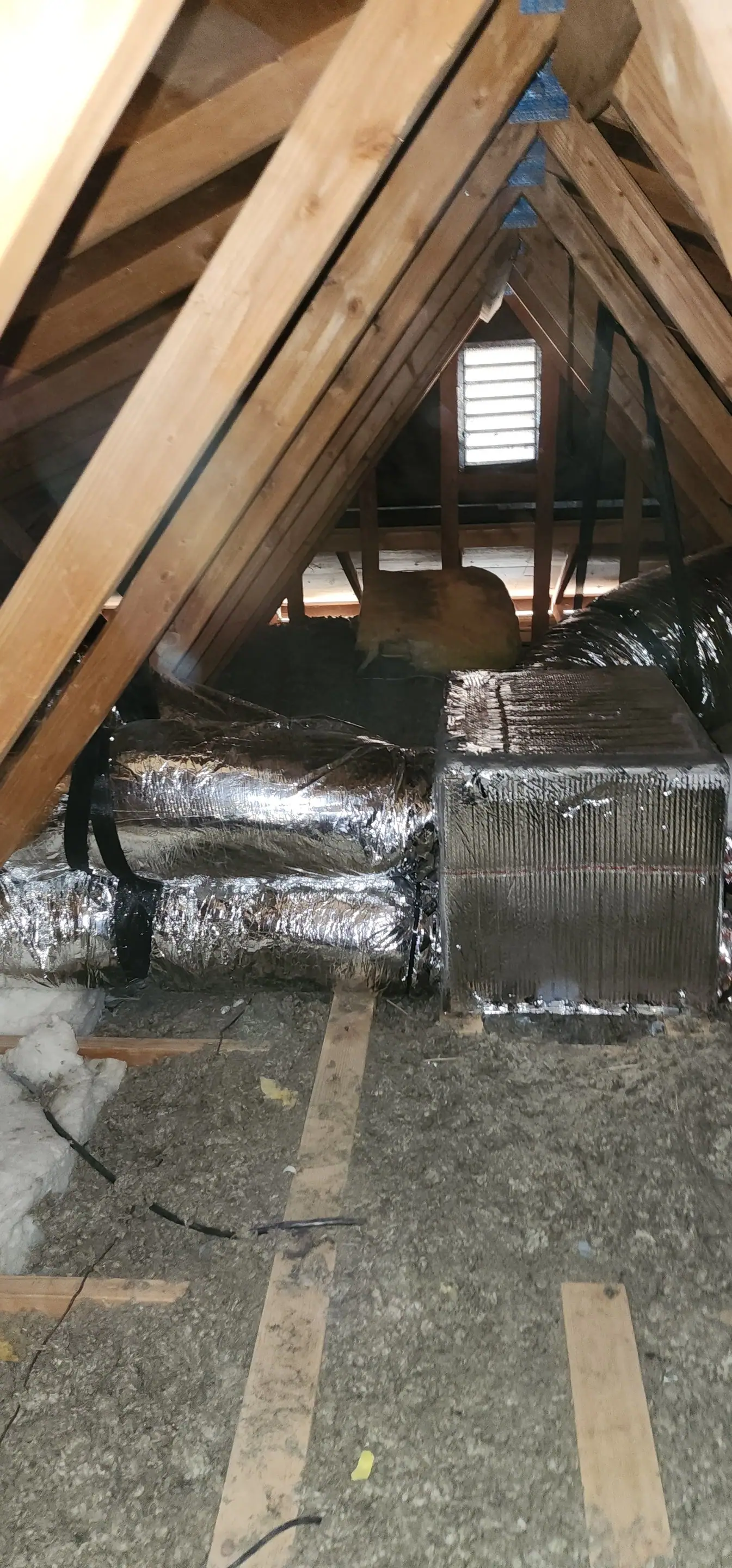
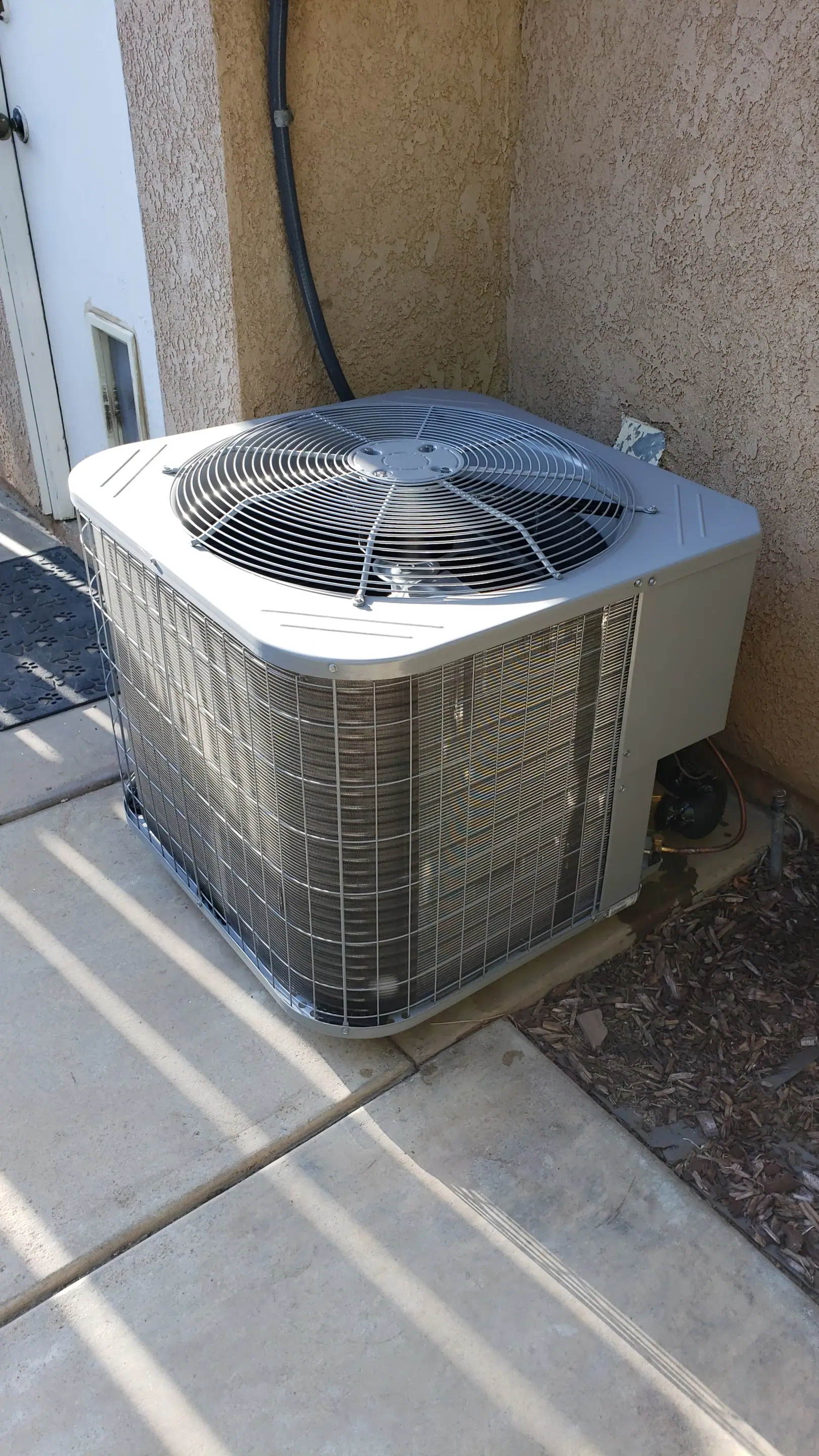
So the air conditioner comes out of months of wind and dust straight into months of heavy use, and the furnace sits idle all summer before the first cold night. A spring visit and a fall visit catch the small problems, like a weak capacitor, a slow leak or a dirty flame sensor, while the weather is mild and a repair can be scheduled instead of rushed.
Filters in a dusty valley
Filters clog faster here than almost anywhere. A clogged filter makes the system work harder, cools the house slower and is one of the most common causes of breakdowns. ENERGY STAR says to inspect, clean or change filters once a month, and after a windy stretch here it is worth looking sooner.
The rating matters too. The EPA explains that a higher MERV rating catches smaller particles, and suggests at least MERV 13 if you upgrade, or as high as your system’s fan and filter slot can handle. A filter too dense for the system restricts the airflow, so we can show you the right one for yours and how often it needs changing.
Mini-split maintenance
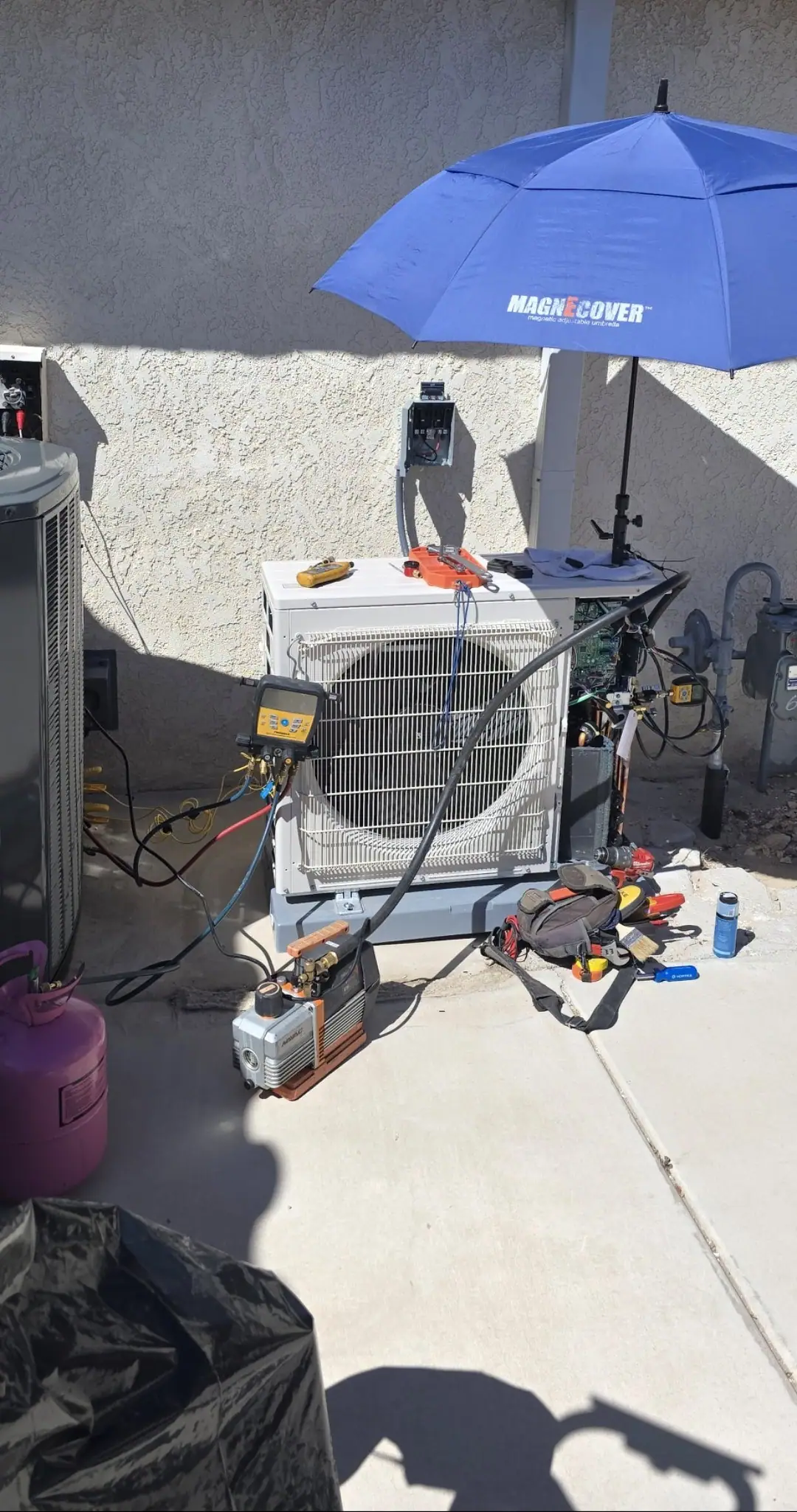
Mini-splits have washable filters in each indoor unit, and the coil and blower inside need a deeper cleaning every so often to keep the air fresh and the unit efficient. ENERGY STAR says to clean the filter when it looks dirty or the filter light comes on, which in the valley’s dusty months can be every few weeks.
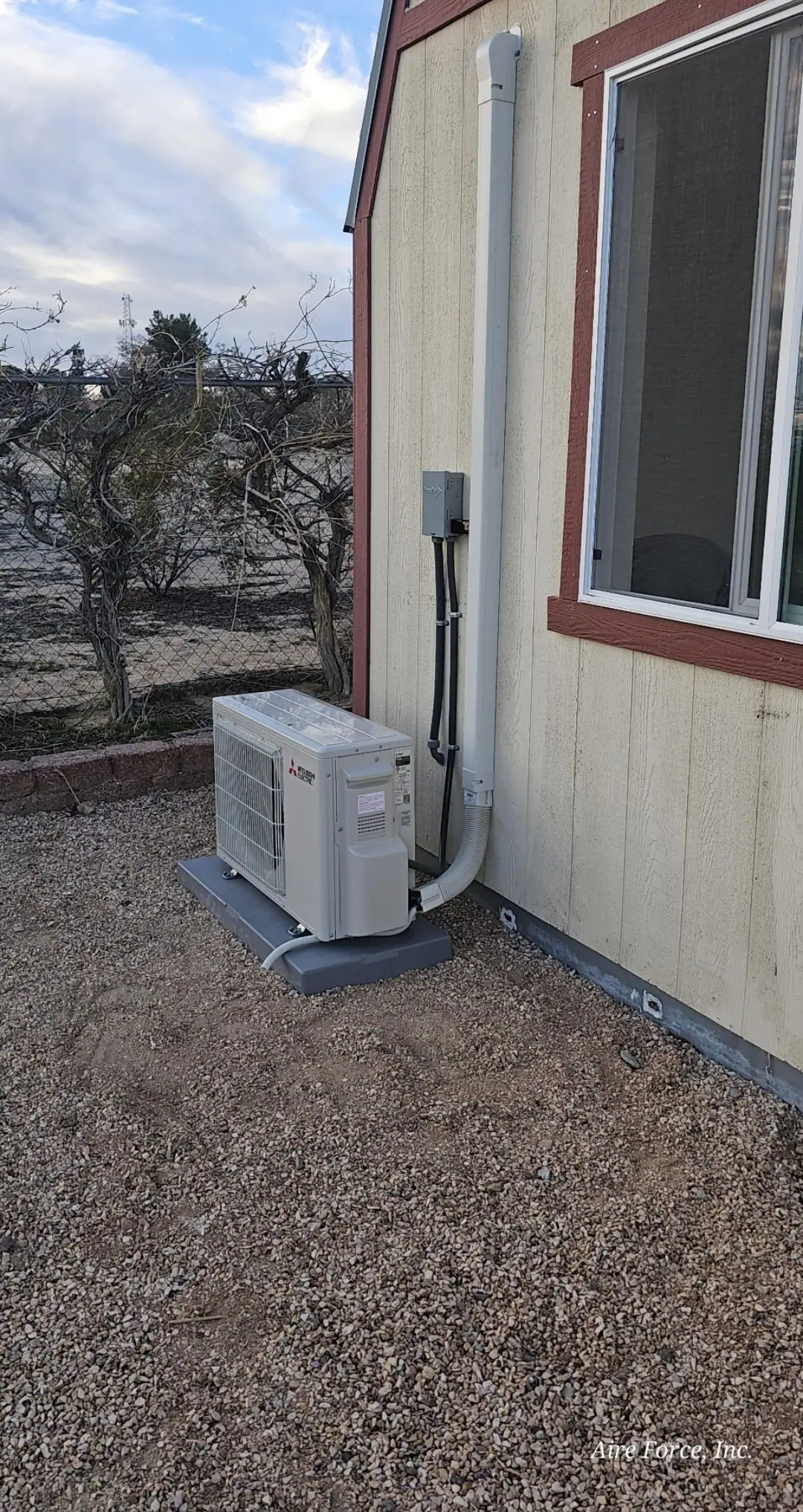
Signs a mini-split is due for a deeper cleaning: weaker airflow than it used to have, a musty smell when it starts, water dripping from the indoor unit, or an outdoor coil caked with dust. The outdoor unit also needs clear space around it and easy access for service.
What you can do between visits
A few homeowner habits make a real difference, and none of them need tools:
- Check the filter every month and replace it with the same size, arrow toward the equipment.
- Keep two feet of clear space around the outdoor unit; pull out tumbleweeds, leaves and trash after windy days.
- Keep supply vents and return grilles open and unblocked by furniture.
- Know where the condensate drain ends outside. On a hot day it should drip; if it never does, it may be clogged.
- Replace thermostat batteries once a year.
- Run the cooling on the first warm day and the heat on the first cool night, so a problem shows up before you need it.
Leave anything inside the panels, the electrical parts and the refrigerant to the technician, and switch the power off before touching the outdoor unit at all.
Signs it needs a visit now
Don’t wait for the next scheduled tune-up if you notice any of these:
| What you notice | What it can mean |
|---|---|
| Higher bills at the same settings | Dirty coils, a refrigerant leak or a wearing part |
| Weak airflow from the vents | A clogged filter, a dirty blower or a duct problem |
| Ice on the lines or coil | Restricted airflow or low refrigerant |
| Water around the indoor unit | A clogged drain |
| Short on, short off cycles | An airflow or control problem |
| New noises or smells | A loose part, a failing motor or dust burning off |
Our AC repair and heating repair pages explain the most common causes in more detail.
Maintenance for businesses
Commercial rooftop units work through the same heat, cold and dust with nobody looking at them. The industry reference for commercial upkeep is ANSI/ASHRAE/ACCA Standard 180, which the Department of Energy’s Better Buildings Solution Center describes as setting minimum inspection and maintenance requirements for comfort, energy efficiency and indoor air quality.
In practice that means a list of every unit, a schedule of tasks for each, and a written record after every visit, with extra attention to filters, coils and economizers in the windy months. See our commercial and government HVAC page for more.