Safety first: gas smells and carbon monoxide
If you smell gas or hear a hiss near a gas line, don’t try to fix anything. SoCalGas says to leave the area right away and call 1-800-427-2200 from a safe place, without switching lights or anything that could spark on the way out.
If a carbon monoxide alarm goes off, get everyone into fresh air and call 911. The EPA lists leaking furnaces and back-drafting from furnaces among the indoor sources of carbon monoxide, and recommends having a trained professional inspect, clean and tune up a central heating system every year.
Before you call
Check that the thermostat is set to heat and the batteries are good, that the breaker for the system hasn’t tripped, and that the filter isn’t clogged. Those three solve more problems than you’d think.
- Thermostat. Set to Heat, a few degrees above the room. A schedule or a smart thermostat app may be holding a lower setting.
- Power. A furnace needs electricity for its controls, igniter and blower. Check the breaker and the service switch on or near the furnace, which looks like a light switch.
- Furnace door. A furnace won’t run with its front panel loose. Seat it firmly after a filter change.
- Filter. A clogged filter makes the furnace overheat and shut its burners off.
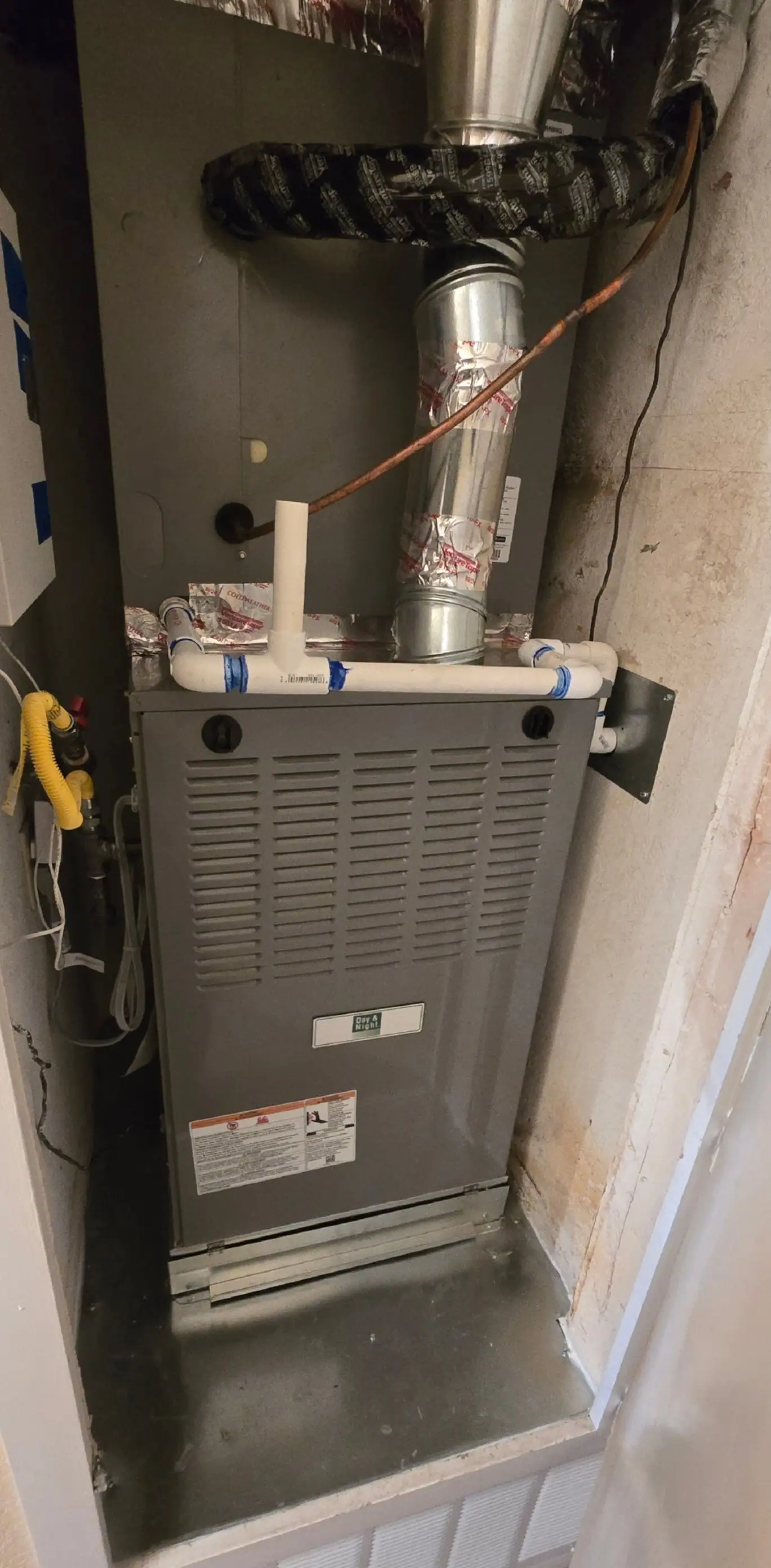
- Vent pipes. On a high-efficiency furnace, make sure nothing blocks the white plastic pipes outside.
Common furnace problems
If the checks above don’t bring the heat back, these are the usual suspects:
| What you notice | What it often means |
|---|---|
| Blower runs but the air is cold | The burners aren’t lighting: igniter, flame sensor, gas valve or venting |
| Lights, runs a few minutes, shuts off | Overheating from a dirty filter or blocked vents, or a flame sensor that can’t confirm the flame |
| A light on the furnace blinks in a pattern | A fault code; the chart is usually inside the furnace door |
| Water around a high-efficiency furnace | A blocked condensate drain |
| Yellow, flickering flame instead of blue | Poor combustion; turn it off and call |
Write down the blink pattern before you call. It helps the technician come prepared.
Heat pump and mini-split heating problems
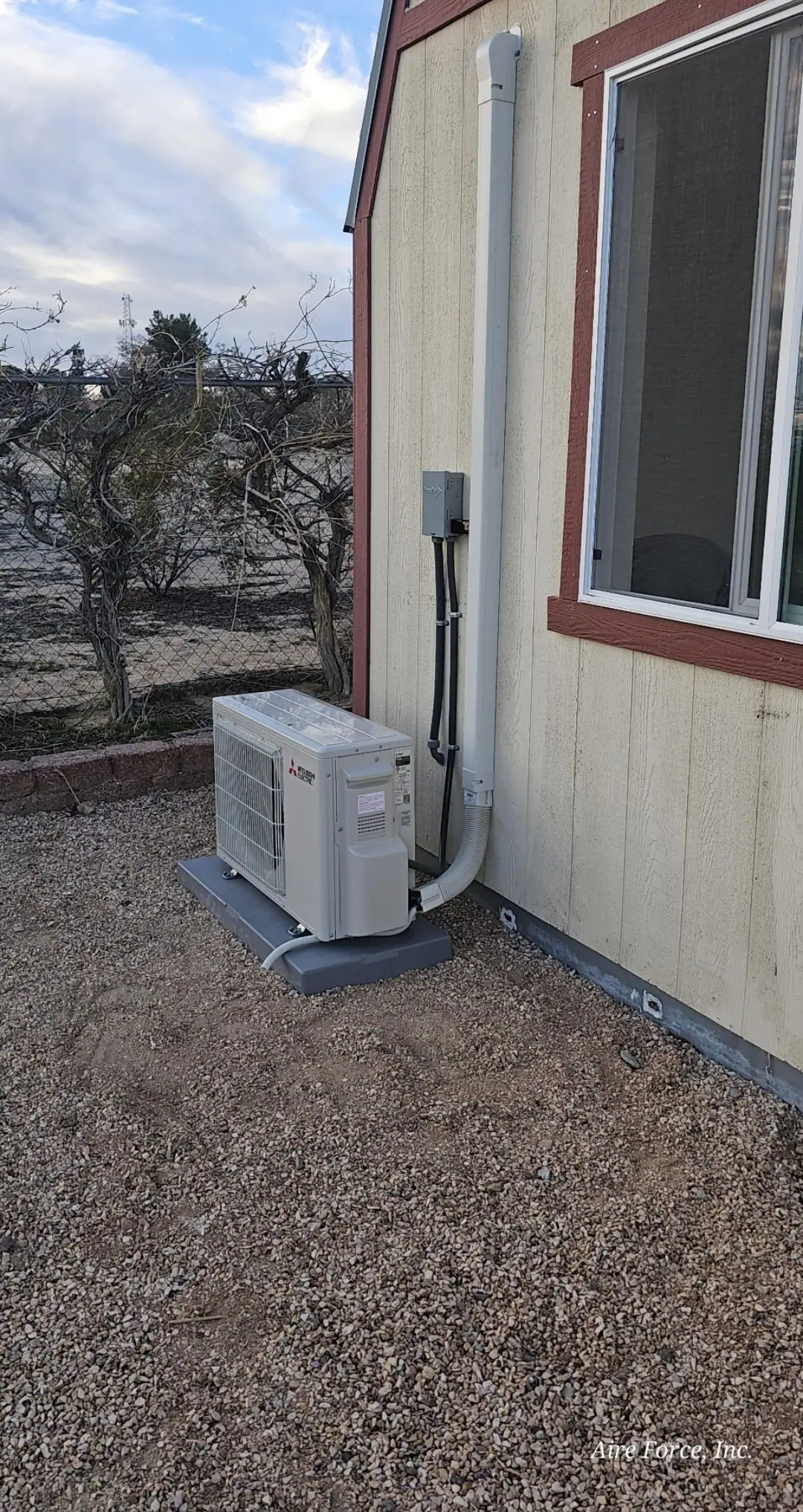
Some heat pump behavior looks like a problem and isn’t. In cold, damp weather, frost builds on the outdoor coil and the system stops heating for a few minutes to melt it off. The indoor fan may pause and the outdoor unit may steam. That is a normal defrost.
What isn’t normal: an outdoor unit that stays encased in ice, a system that never stops while the house keeps getting colder, or a thermostat that shows auxiliary or emergency heat all day. Backup heat on a cold morning is fine; all day, every day, it usually means the heat pump isn’t doing its share. Our guide to mini-split heating in a valley winter explains what normal looks like.
Why heaters fail on the first cold night
A heating system sits mostly idle from spring to fall. Dust settles on the burners and the flame sensor, a weak igniter finally gives out, and a filter that clogged during the windy months is waiting for the blower. WeatherSpark’s Palmdale averages put the cold season from about late November to early March, with December lows averaging 34°F, so the first cold snap finds those problems all at once.
Repair or replace your furnace
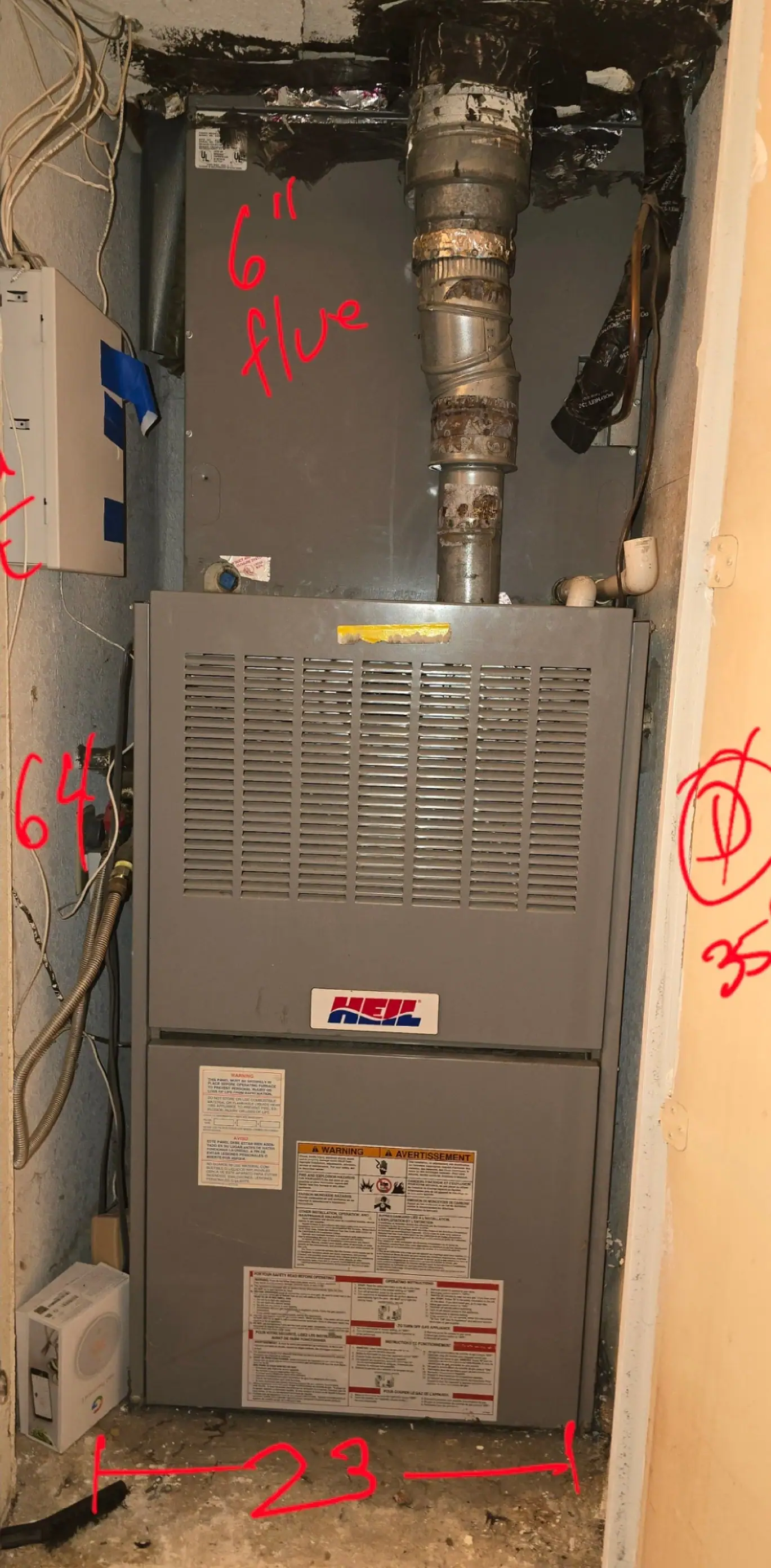
Most heating repairs are worth doing. A furnace near the end of its life is a different question. ENERGY STAR’s replacement guide lists a furnace more than 15 years old, frequent repairs with rising energy bills, and rooms that are too hot or too cold as signs it may be time to replace, and notes that a certified furnace is 15% more efficient than a conventional one.
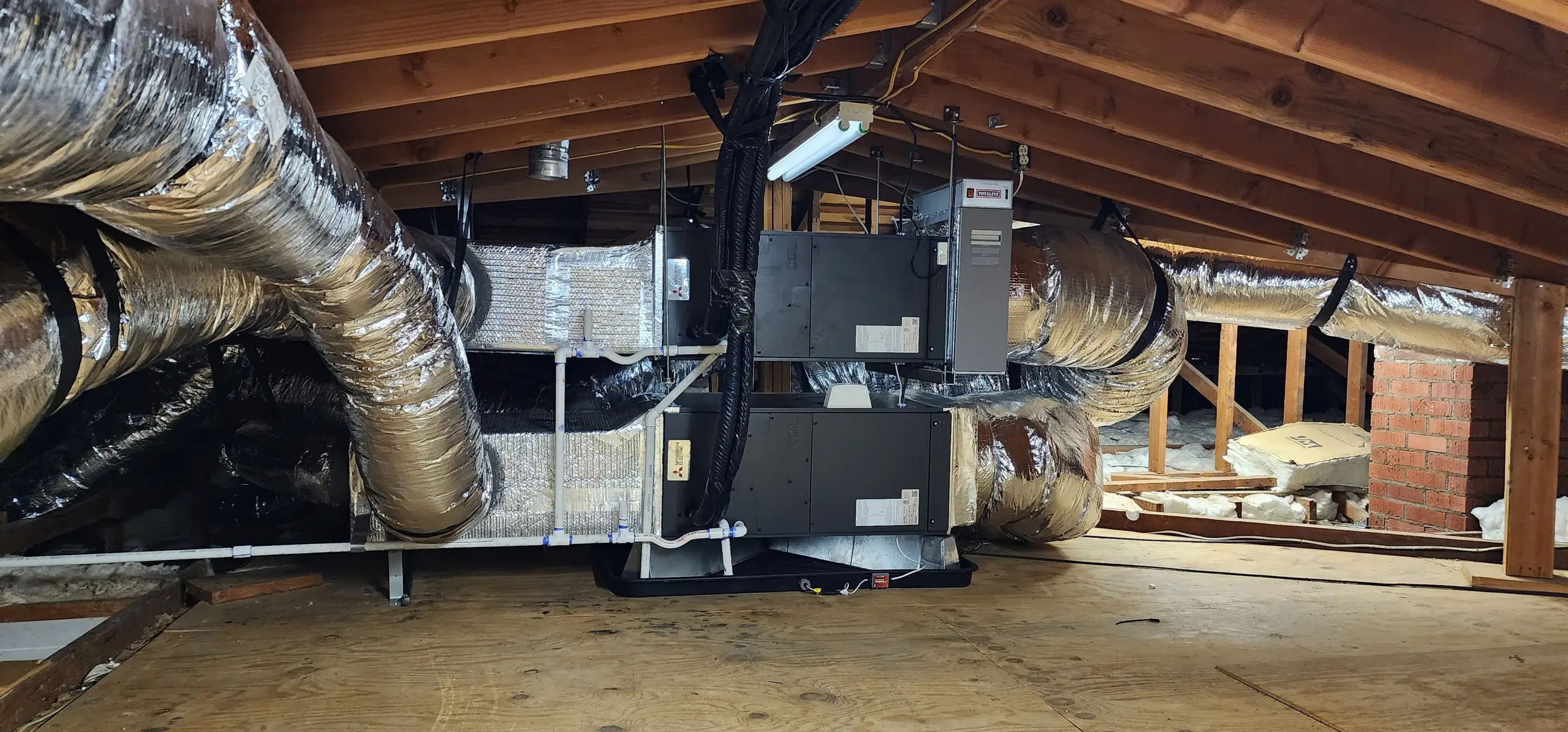
If your air conditioner is old too, a heat pump can replace both, or a ductless system can take over the rooms the furnace never heated well. Our system replacement page covers how a new system is planned, and we tell you plainly when a repair no longer makes sense.