Rooftop units and what they need
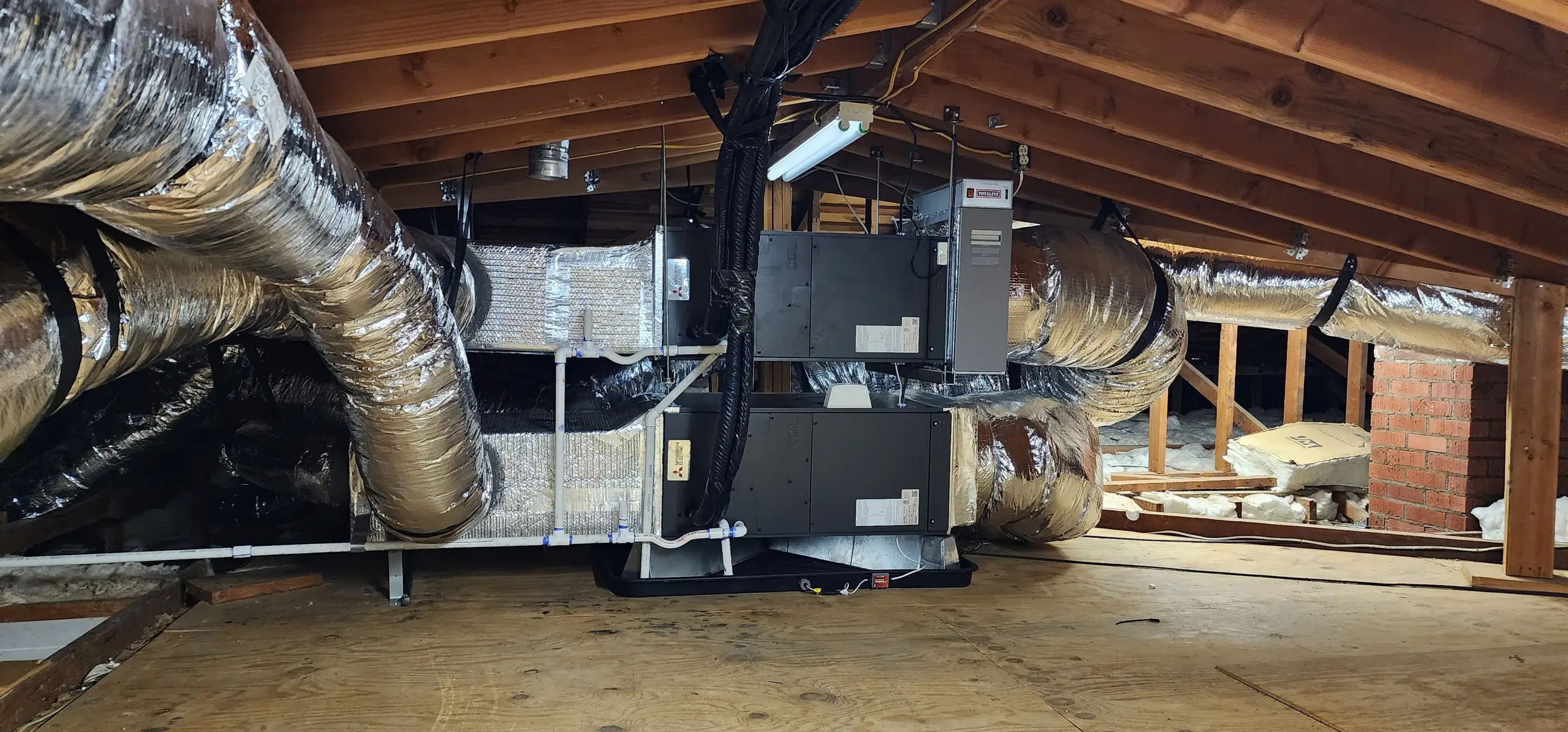
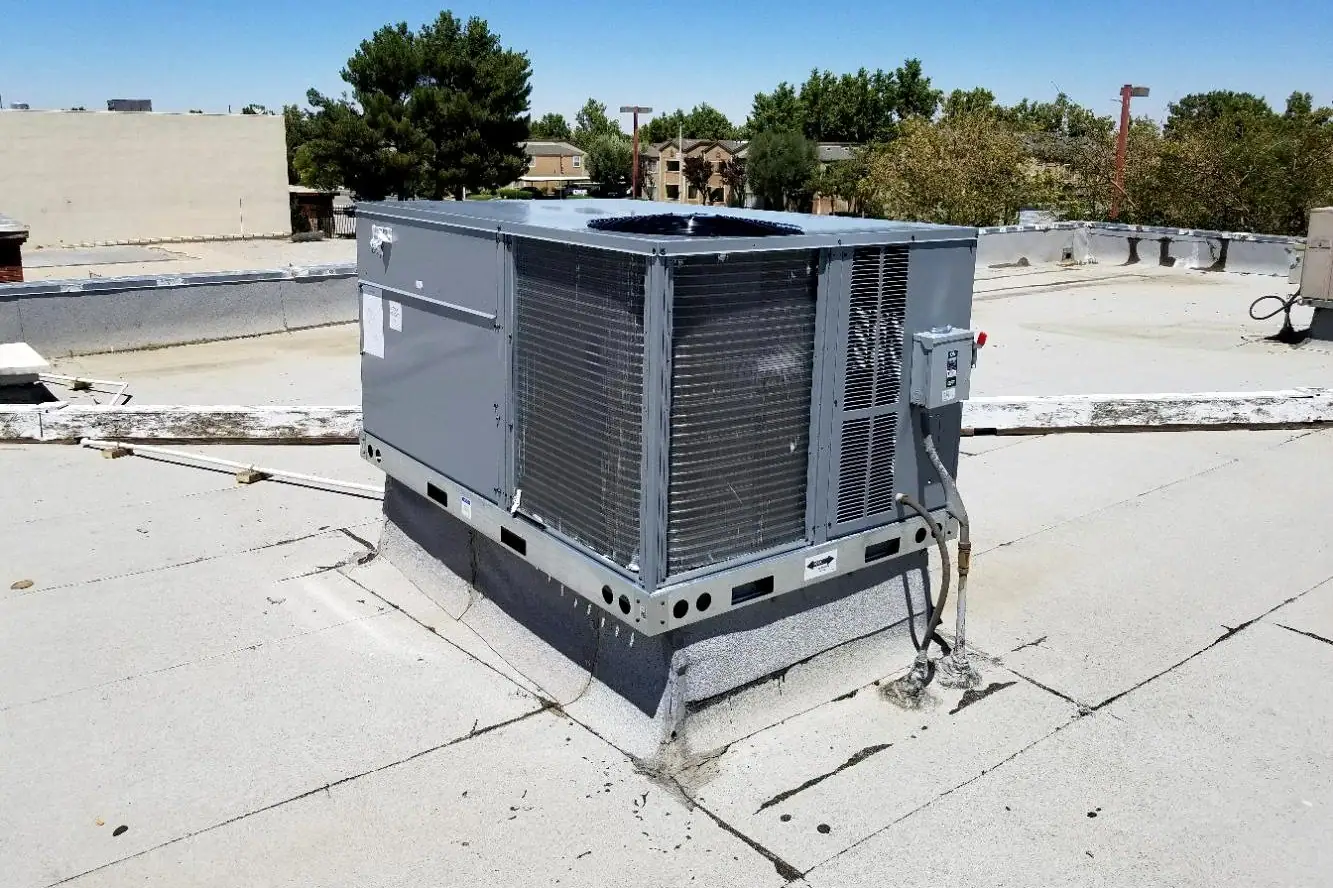
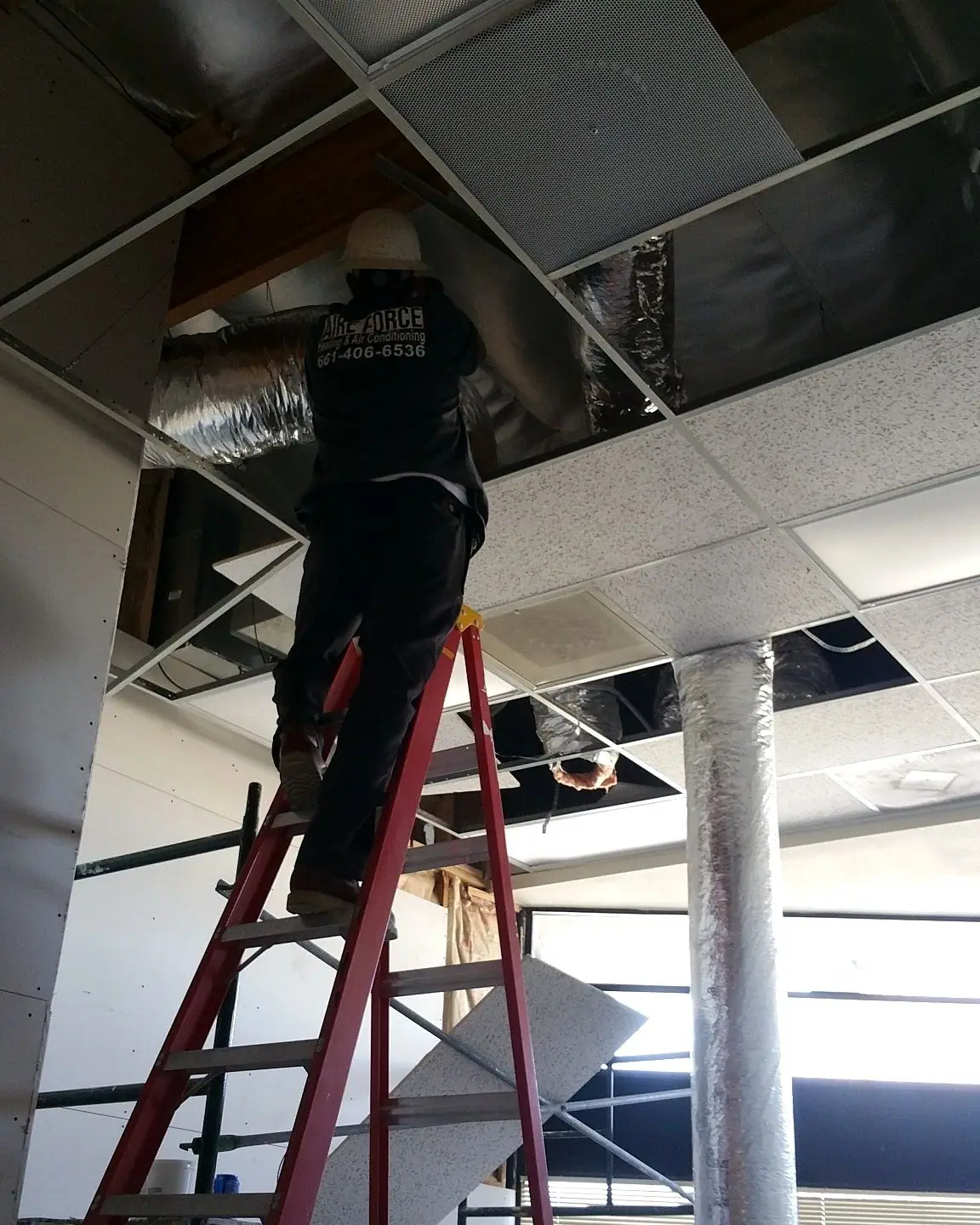
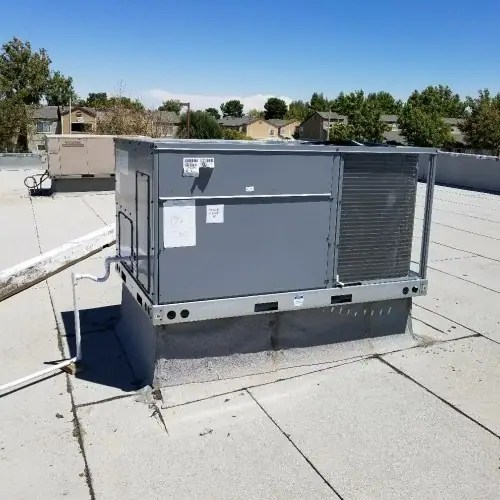
Packaged rooftop units heat and cool many offices, shops and public buildings. Each one holds the whole system in one cabinet, so a single unit failing can shut down a whole section of a building. The parts that fail most, and cost the most when they do, are the ones a maintenance visit looks at:
- filters, changed on schedule
- condenser and evaporator coils, cleaned
- belts and pulleys, on units that have them
- the condensate drain pan and line, so water ends up outside and not in the ceiling
- the economizer, so outside air comes in when it should and stays out when it should not
- contactors, capacitors and electrical connections
- refrigerant pressures, with leaks found and repaired
- the heating section, burners and venting on gas units
A maintenance plan instead of emergency calls
The industry reference for commercial upkeep is ANSI/ASHRAE/ACCA Standard 180. The Department of Energy’s Better Buildings Solution Center describes it as setting minimum inspection and maintenance requirements that keep a system delivering acceptable comfort, energy efficiency and indoor air quality.
In practice that means an inventory of every unit, a schedule of tasks for each, and a written record after every visit. Over a year or two, the record shows which units are reliable, which are costing money and which to budget for replacing, so a compressor failure becomes a planned spring replacement instead of an August emergency. ENERGY STAR recommends checking the cooling side in spring and the heating side in fall.
What the high desert does to a rooftop unit
A roof in Palmdale or Lancaster is a hard place for equipment. WeatherSpark’s Palmdale averages show July highs around 95°F and December lows around 34°F, and the windy season runs from November into June. Sun bakes cabinets, gaskets and wiring; wind loosens panels and drives dust into condenser coils.
A coil coated in dust cannot reject heat, so the compressor runs hotter and longer on exactly the days the building needs it most. That is why a plan written for a milder climate often falls short here: visits timed before the summer peak and the winter cold, with filter and coil checks after windy stretches, keep equipment ahead of the conditions.
Refrigerant rules
Anyone who services refrigerant-containing equipment has to be certified under Section 608 of the Clean Air Act, which also sets the rules for recovering refrigerant and repairing leaks. Older units may still run on R-22, which the EPA says has not been made or imported since January 1, 2020; they can be serviced with recovered refrigerant, but supply only shrinks.
New equipment is moving to lower global warming refrigerants under the EPA’s Technology Transitions program. When you plan replacements, ask which refrigerant each option uses and what that means for service down the road.
Replacing a unit: permits and acceptance tests
Replacing a rooftop unit is an alteration under California’s energy code, the 2025 Building Energy Efficiency Standards, so it needs a permit from the city or the county. Commercial jobs also go through acceptance testing by Acceptance Test Technicians certified through the California Energy Commission, who test mechanical systems and controls in nonresidential buildings.
Plan the timing around the building. A replacement may need a crane, a curb adapter if the new unit’s footprint is different, and a shutdown window. Doing it in spring or fall keeps people comfortable while the work happens.
Government and public work
Aire Force Inc is a licensed California contractor, license #1011271, and does a lot of government work. Contact us about upcoming projects and bids.
Public work in California has its own rules. Contractors on public works projects register with the California Department of Industrial Relations, which requires workers’ compensation coverage and a Contractors State License Board license where the trade needs one, and those projects carry prevailing wage requirements. Any license can be checked on the CSLB license lookup.