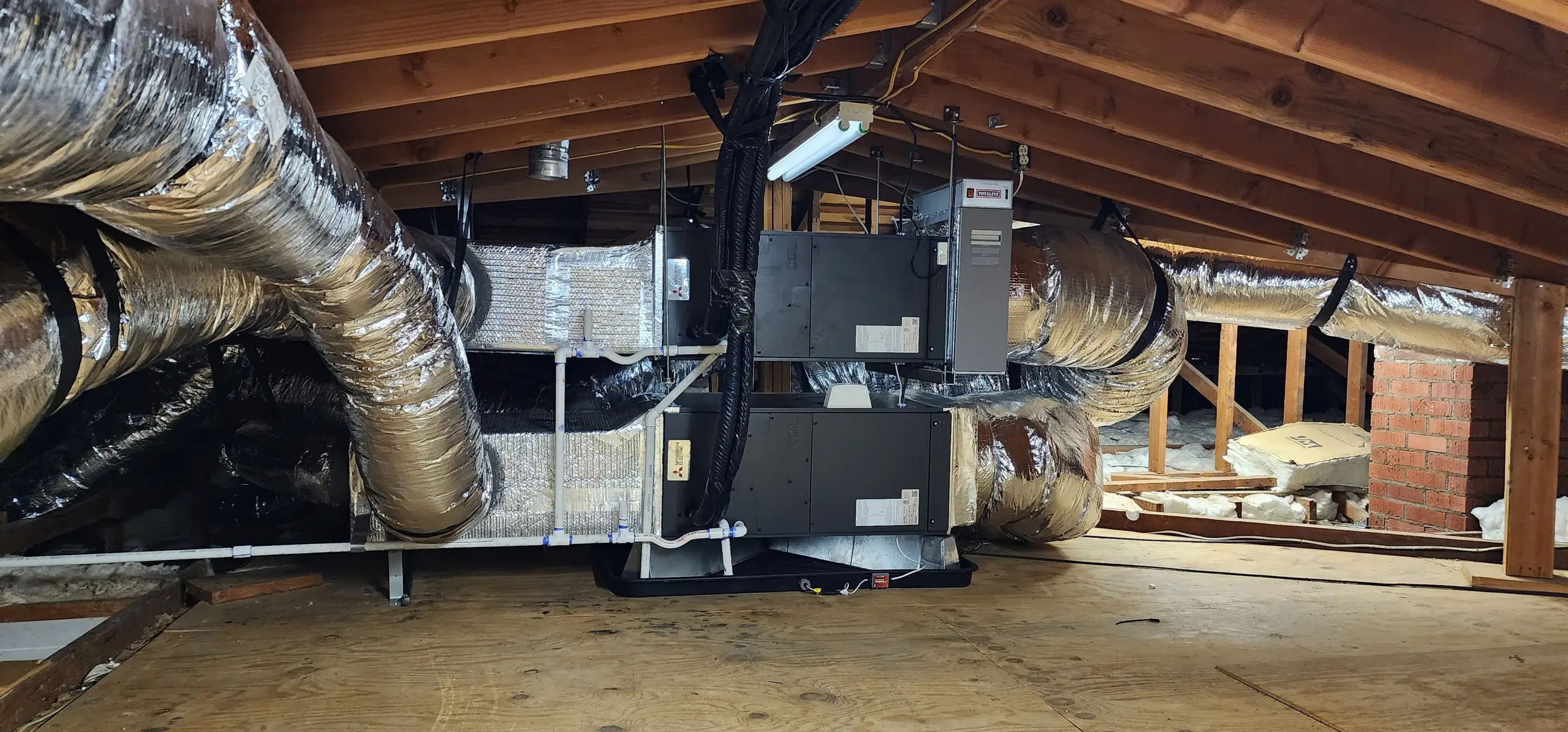
Homes, businesses and public projects
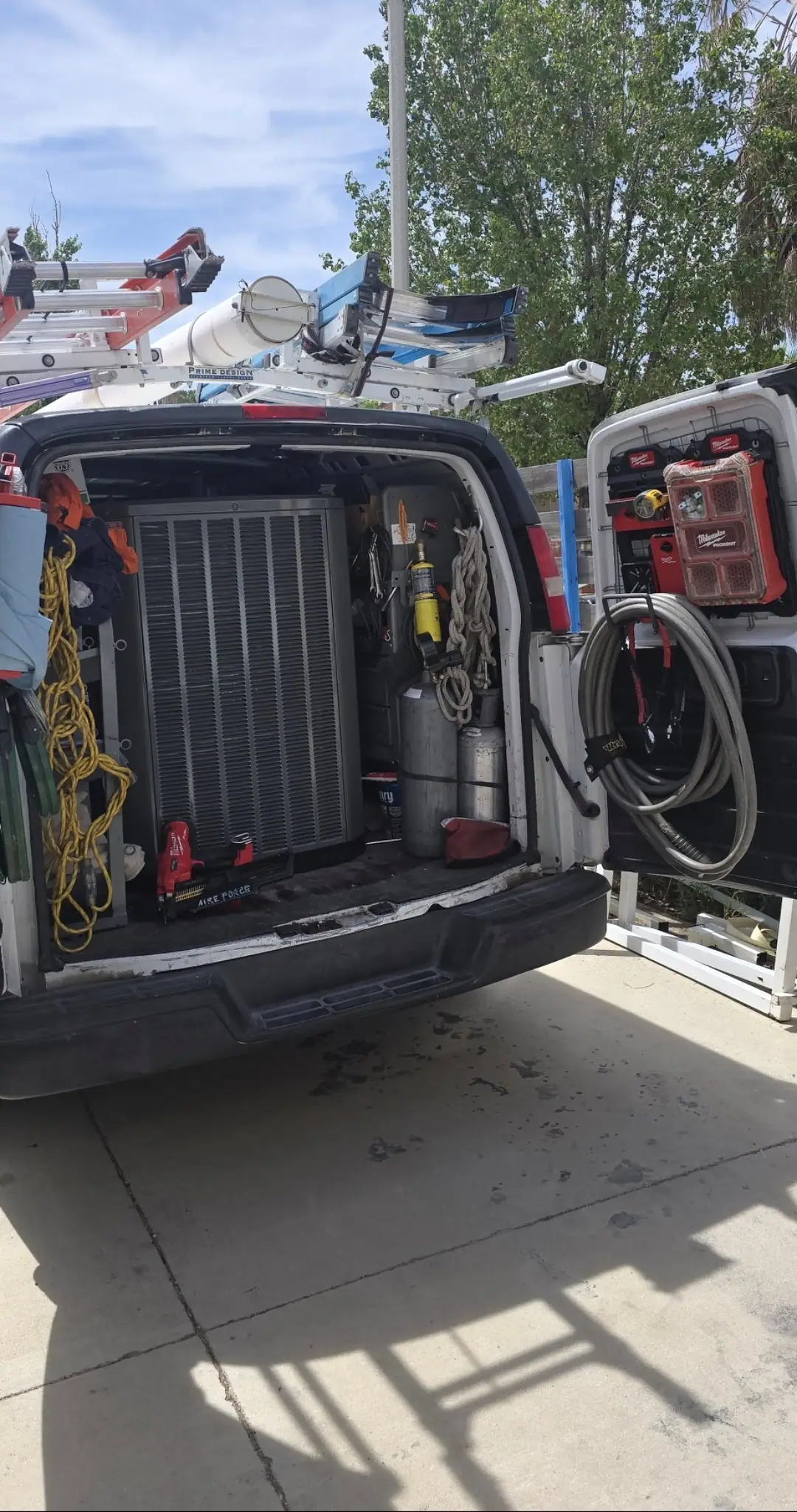
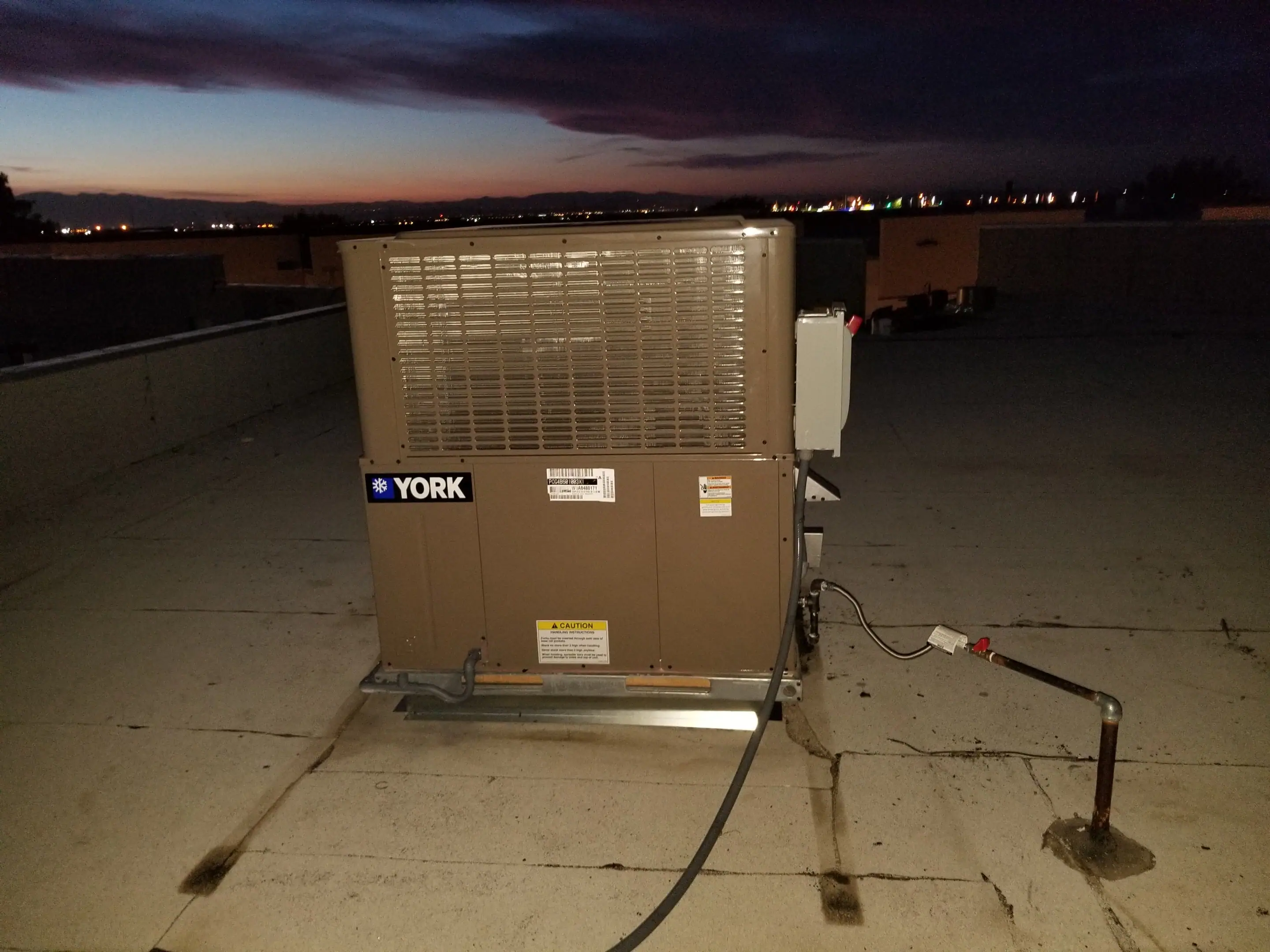
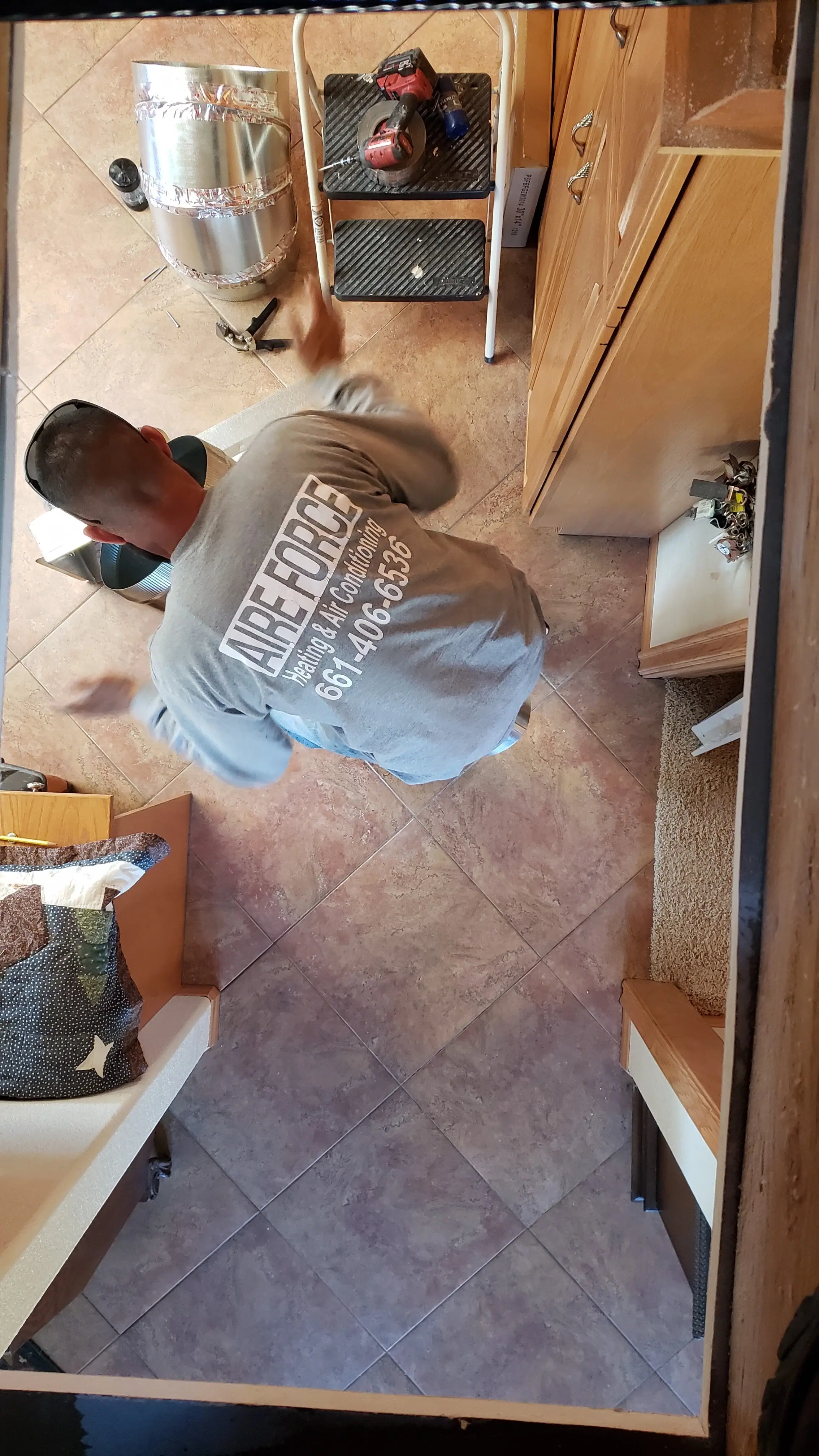
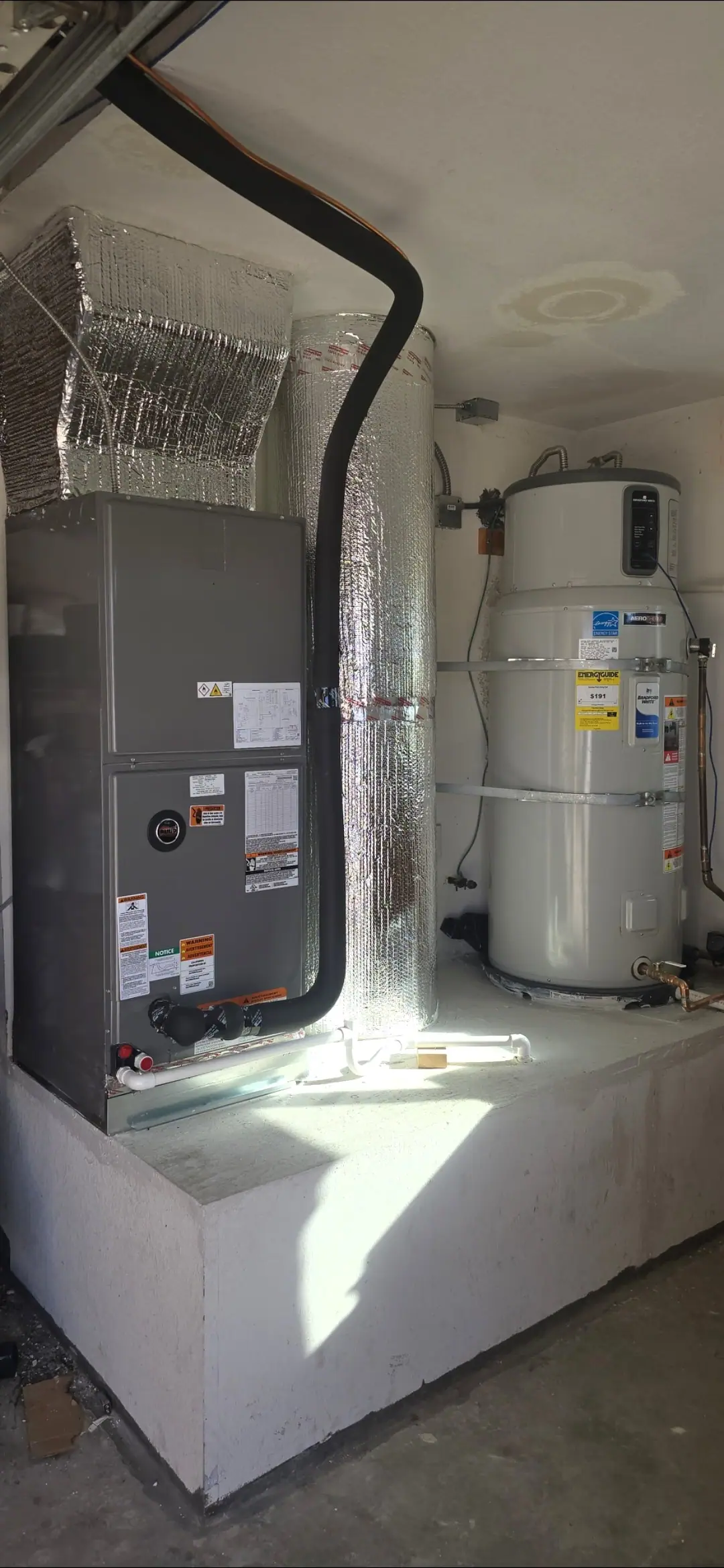
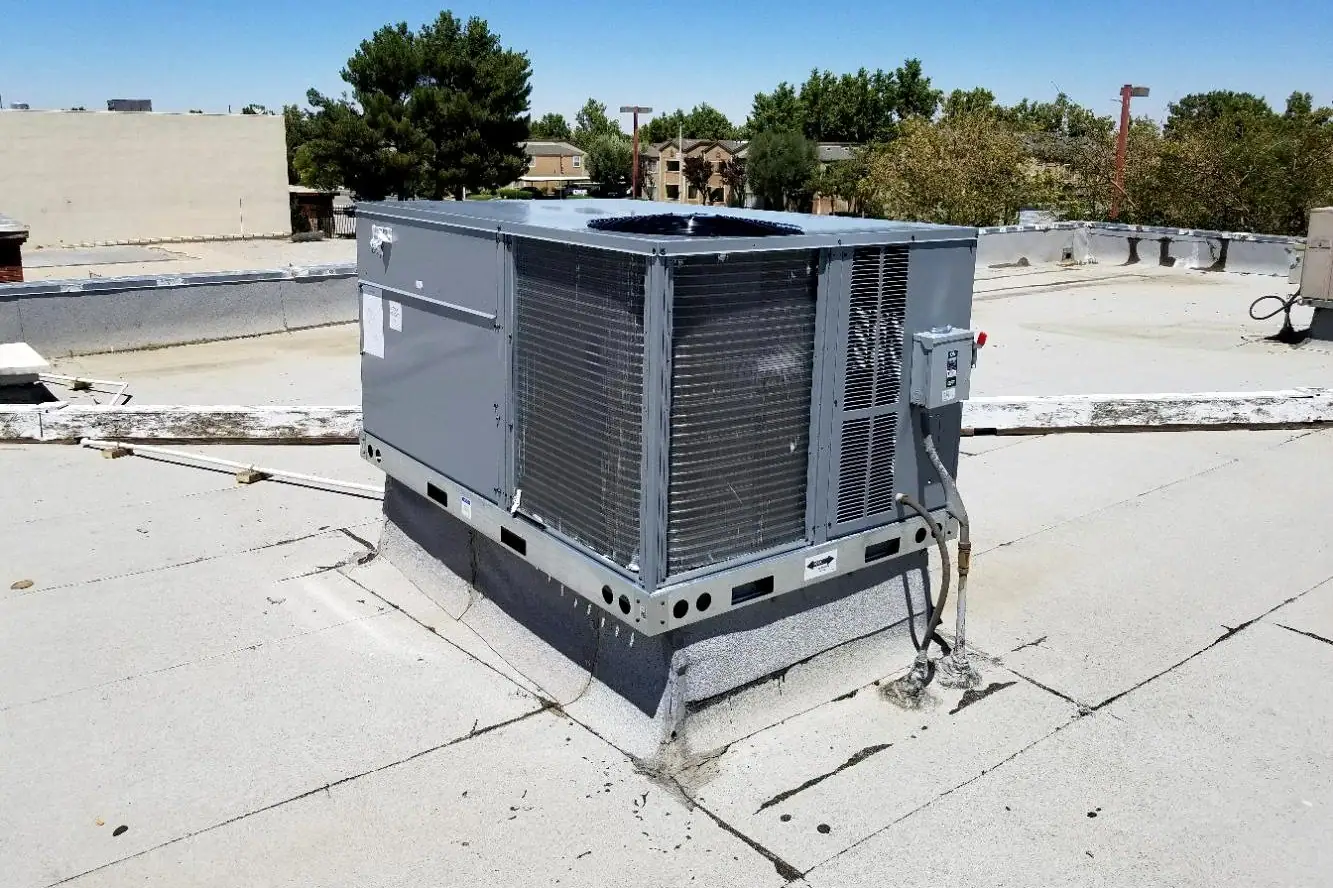
At home, that means new systems, repairs, tune-ups, ductwork and the ductless units that fix the rooms the central air misses. A lot of our work is also commercial and government: rooftop units, offices, equipment rooms and public buildings across the valley.
Public projects carry their own rules, from contractor registration to prevailing wage, and our commercial and government HVAC page covers them.
How to check an HVAC contractor in California
A few checks tell you most of what you need to know before anyone works on your system:
- The license. Look it up on the CSLB license search. Heating and air conditioning fall under the C-20 classification, and the record shows whether the license is active, plus its bond and workers’ compensation status.
- The permit. New and replacement systems need a permit and independent testing in California, and CHEERS says a contractor who skips them is breaking the law. Ask who pulls the permit.
- Refrigerant certification. Anyone who handles refrigerant has to be certified under EPA Section 608.
- A written estimate. It should name the equipment by model, its efficiency ratings, and what is included, such as the permit, the testing and hauling away the old unit.
- The license number on the paperwork. California has contractors put it on their bids and contracts, so you can match the paper to the license.
Aire Force Inc holds California license #1011271.
HVAC contractor or HVAC technician
The two words get used loosely. A technician is the person working at your house: finding the problem, making the repair, setting the new equipment. The contractor is the licensed business responsible for that work, for the permit and for making it right if something isn’t.
In California the license belongs to the contractor, which is why the license number should be on the estimate and the paperwork, and why it is the contractor’s record you check.
Rules that shape HVAC work in the valley
Palmdale and Lancaster are in climate zone 14 under California’s Energy Code, and in the federal hot-dry Southwest region for air conditioners. Together those rules set how efficient new equipment has to be, when an independent rater tests the refrigerant charge and the ducts, and how well new ducts have to be insulated. Our AC installation and duct installation pages spell out each one.
The weather sets the rest. Long hot summers, cold nights and a windy season from November into June mean filters clog fast and outdoor coils load up with dust, which is why maintenance in spring and fall and a monthly filter check matter more here than in a milder place.
Starting a project
A new system starts with a free in-home consultation. A factory-trained technician comes to your home, looks at what you have and answers your questions, and we go over every detail before any work begins, so you know exactly what to expect and what it will cost.
For a repair, call or text and tell us what the system is doing. We find the cause first and tell you what it is and what it costs before we fix anything.