Matching the thermostat to the system
Not every thermostat works with every system, and the box on the store shelf doesn’t always make that clear:
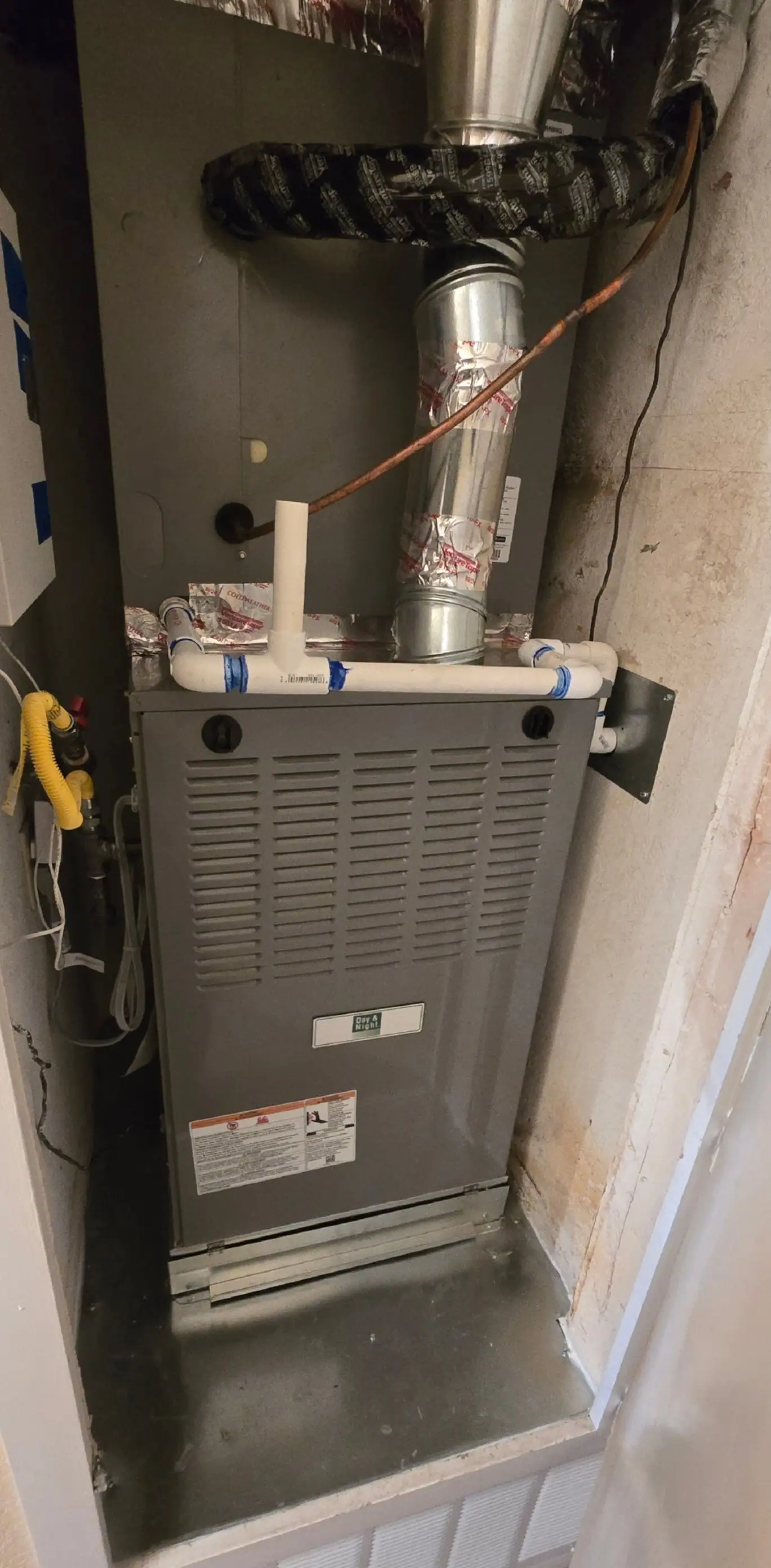
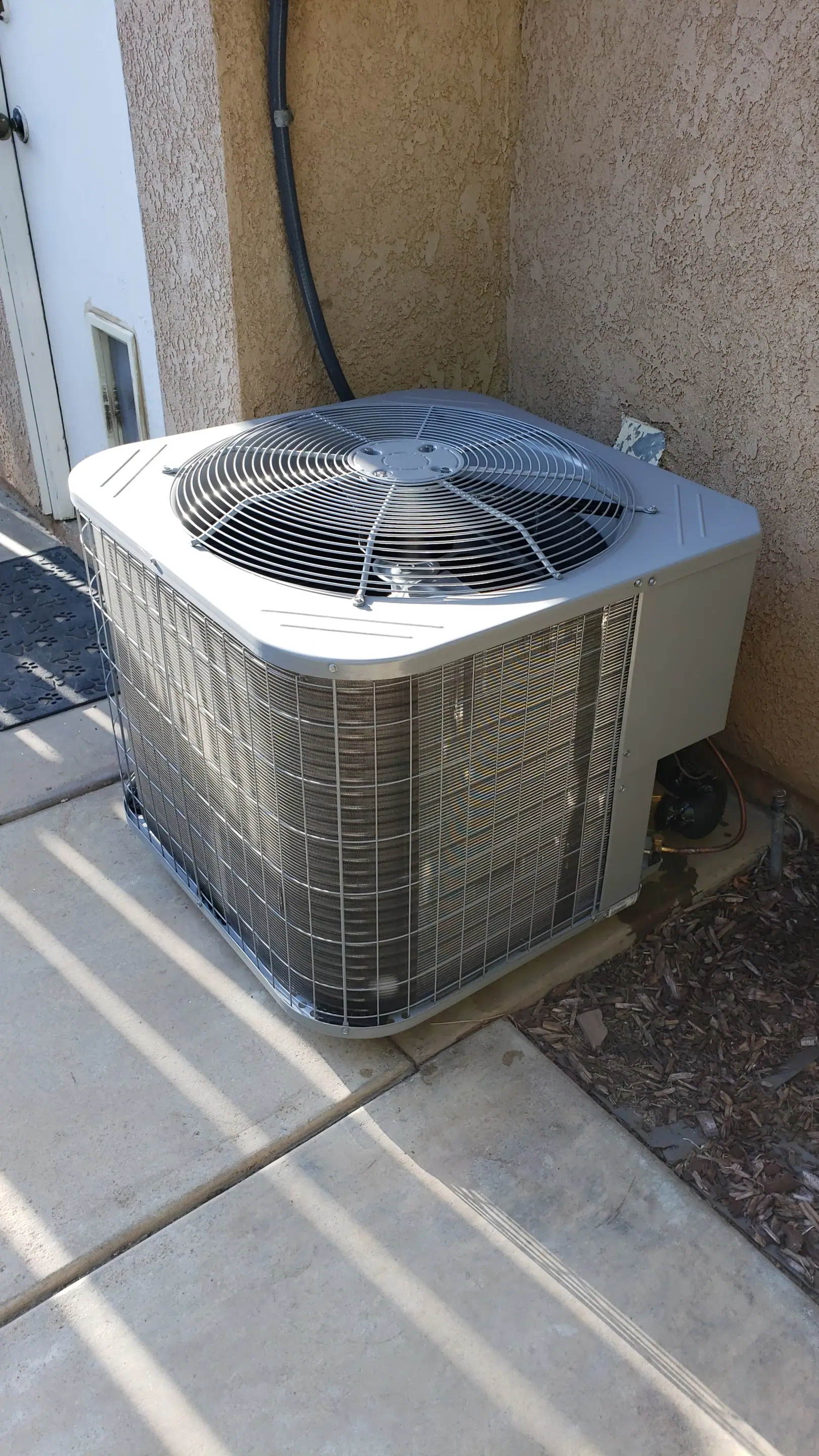
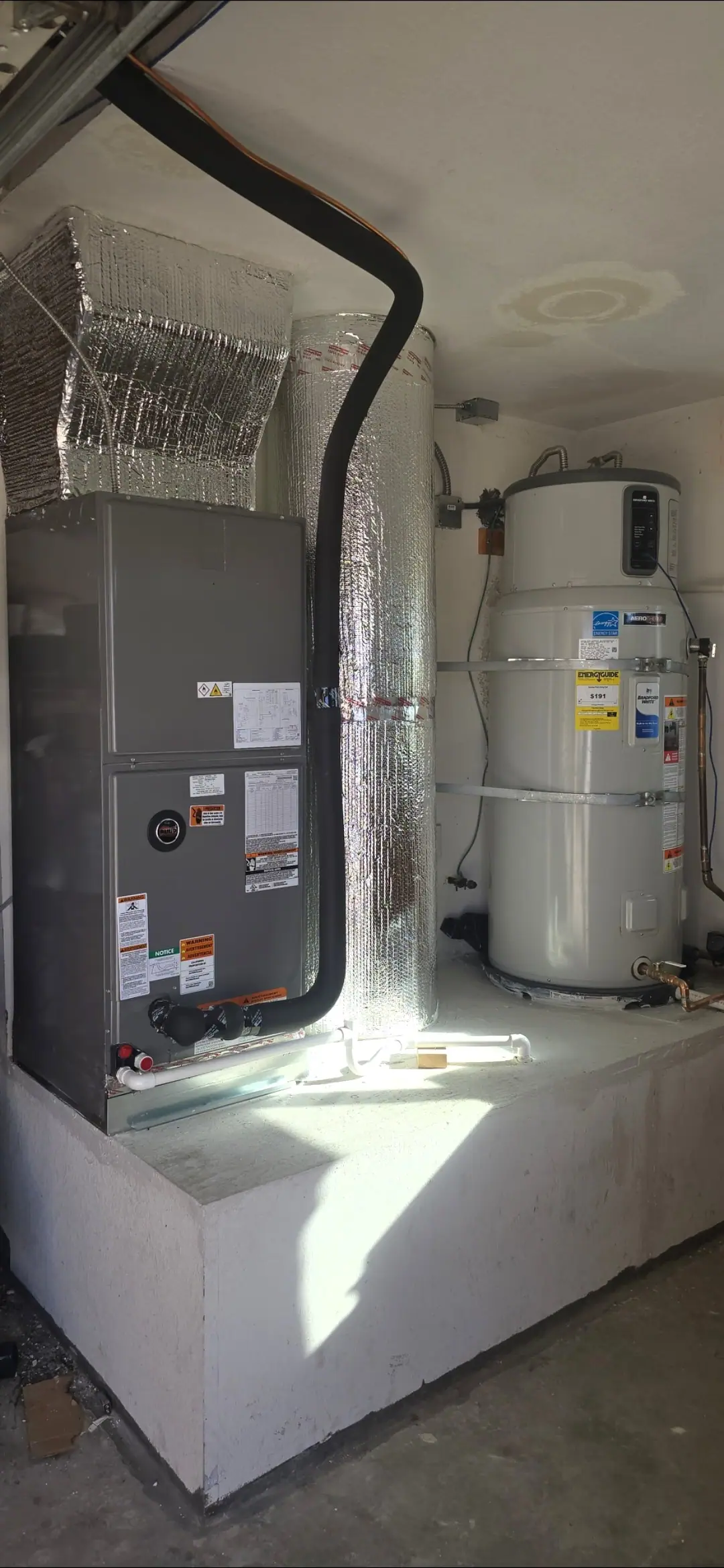
- Heat pumps need a thermostat set up for a heat pump. It switches the system between heating and cooling and decides when backup heat comes on, and a wrong setting can run expensive backup heat all winter.
- Two-stage and variable-speed equipment needs a thermostat that can call for each stage, or the system runs like a basic one. For the highest-efficiency equipment, ENERGY STAR notes you may want a controller from the same company.
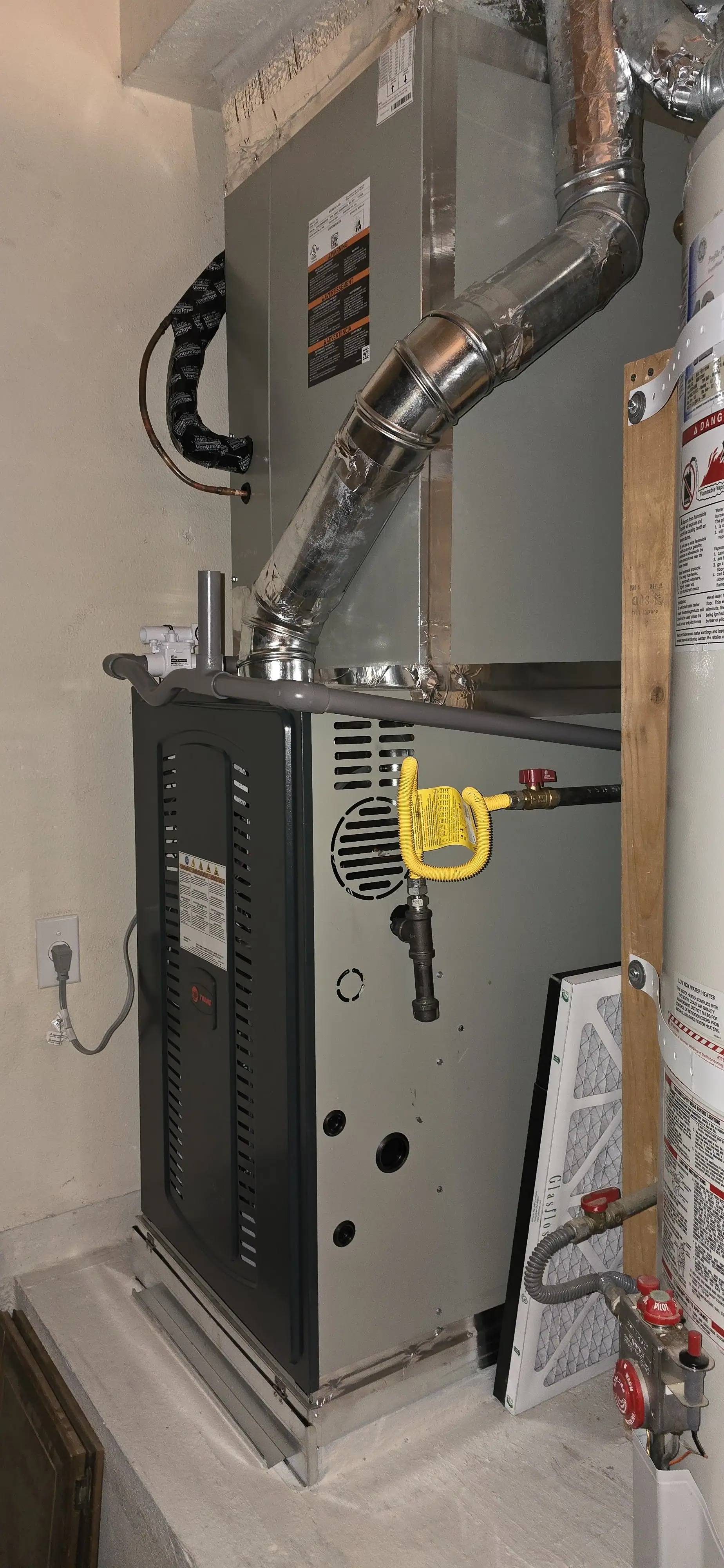
- Smart thermostats need steady power, which usually means a common wire, the C-wire, run from the furnace or air handler. Older homes often don’t have one at the wall.
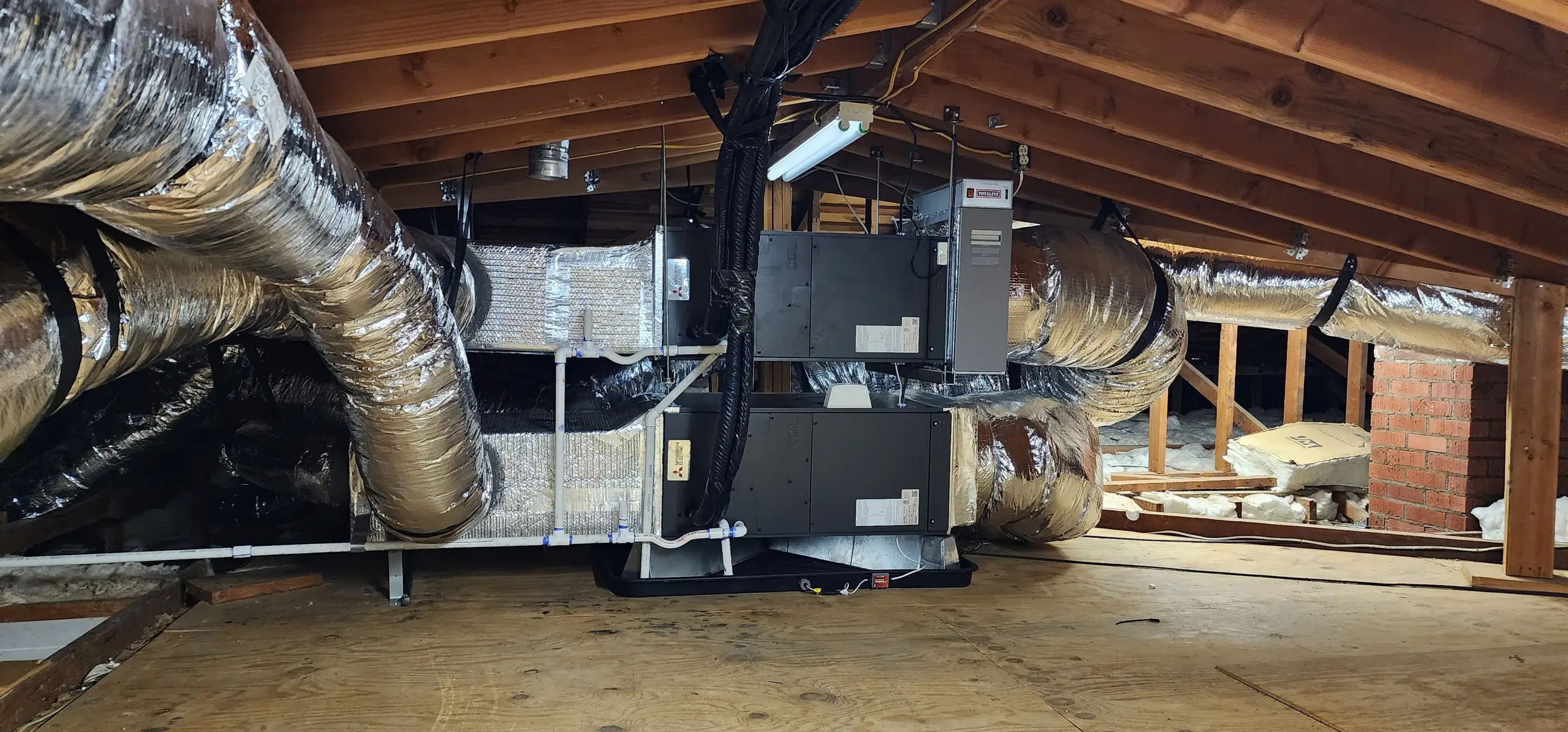
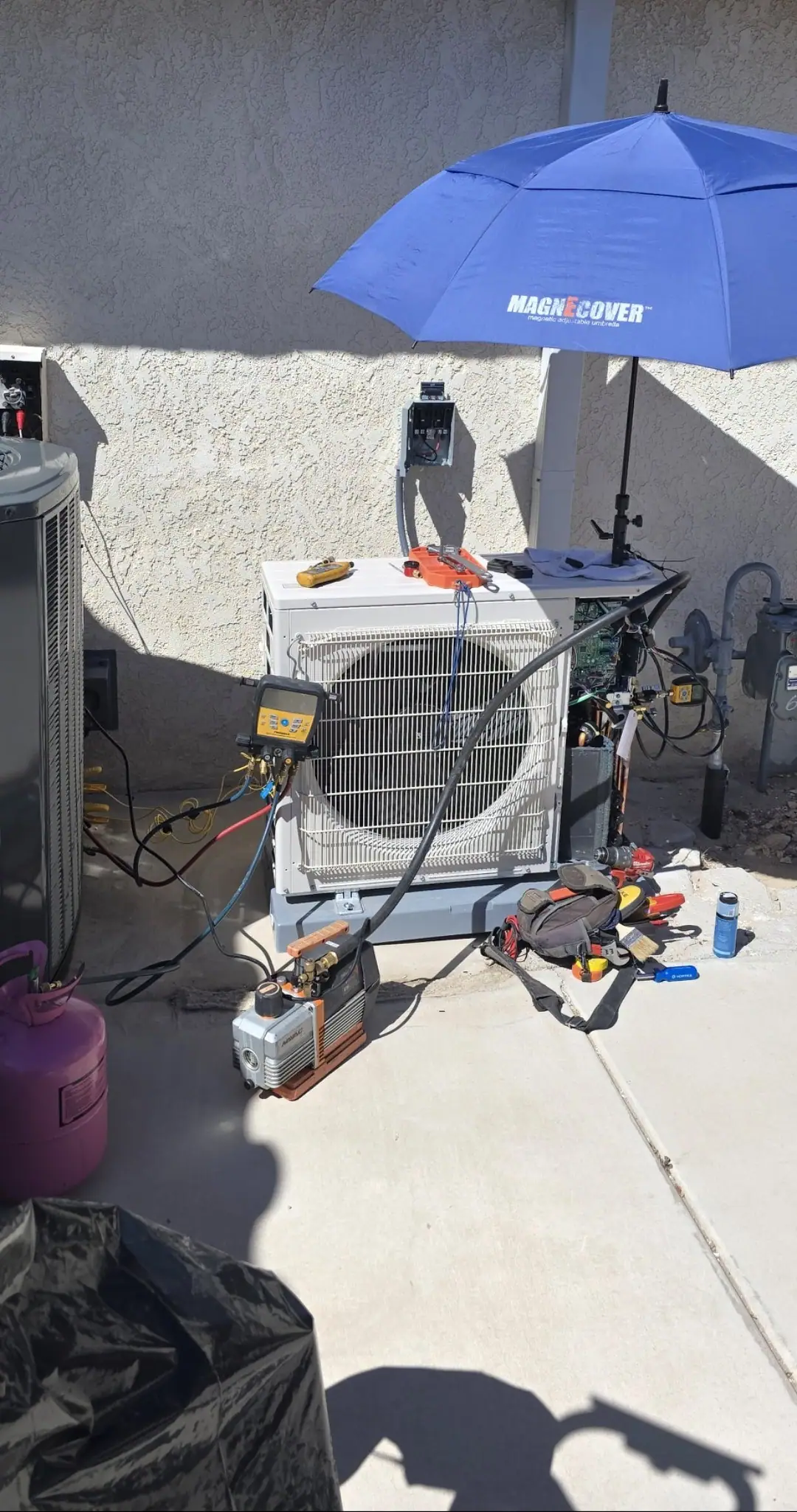
- Ductless mini-splits usually run from their own remote or wall controller rather than a standard thermostat.
Checking the equipment and the wires before choosing a thermostat saves buying one twice.
Smart, programmable or simple
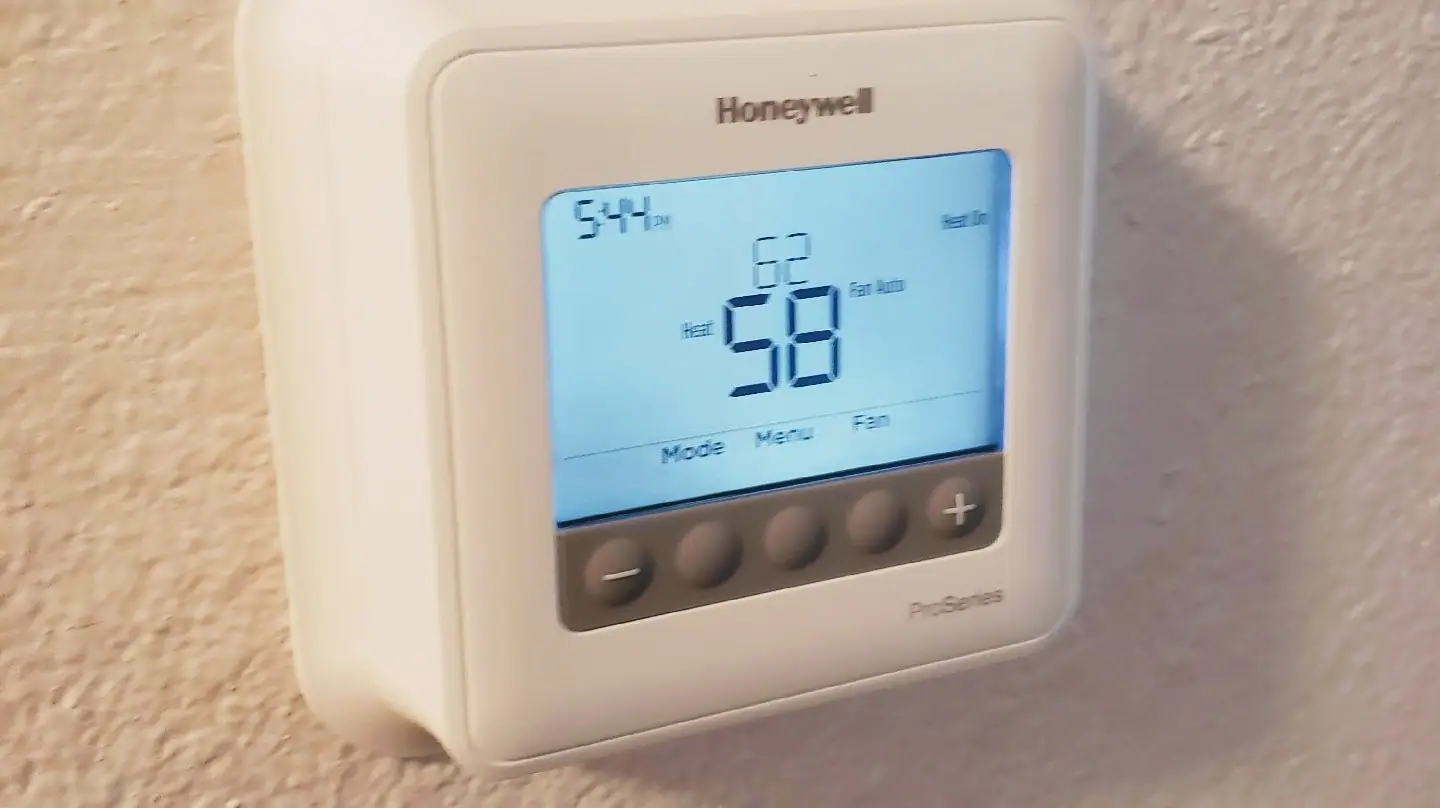
A simple thermostat holds one setting. A programmable one follows a schedule you set, and a smart one adds control from your phone, reminders and reports on how the system runs. ENERGY STAR certifies smart thermostats on actual field data showing they save energy, and certified models are built to work with the programs some utilities offer.
The savings come from the schedule, not the screen. A thermostat that eases the setting back while the house is empty or everyone is asleep saves energy; one left on a permanent hold saves nothing, however clever it is. If you rarely change the setting by hand, a well-set programmable thermostat can do most of what a smart one does.
Where the thermostat goes
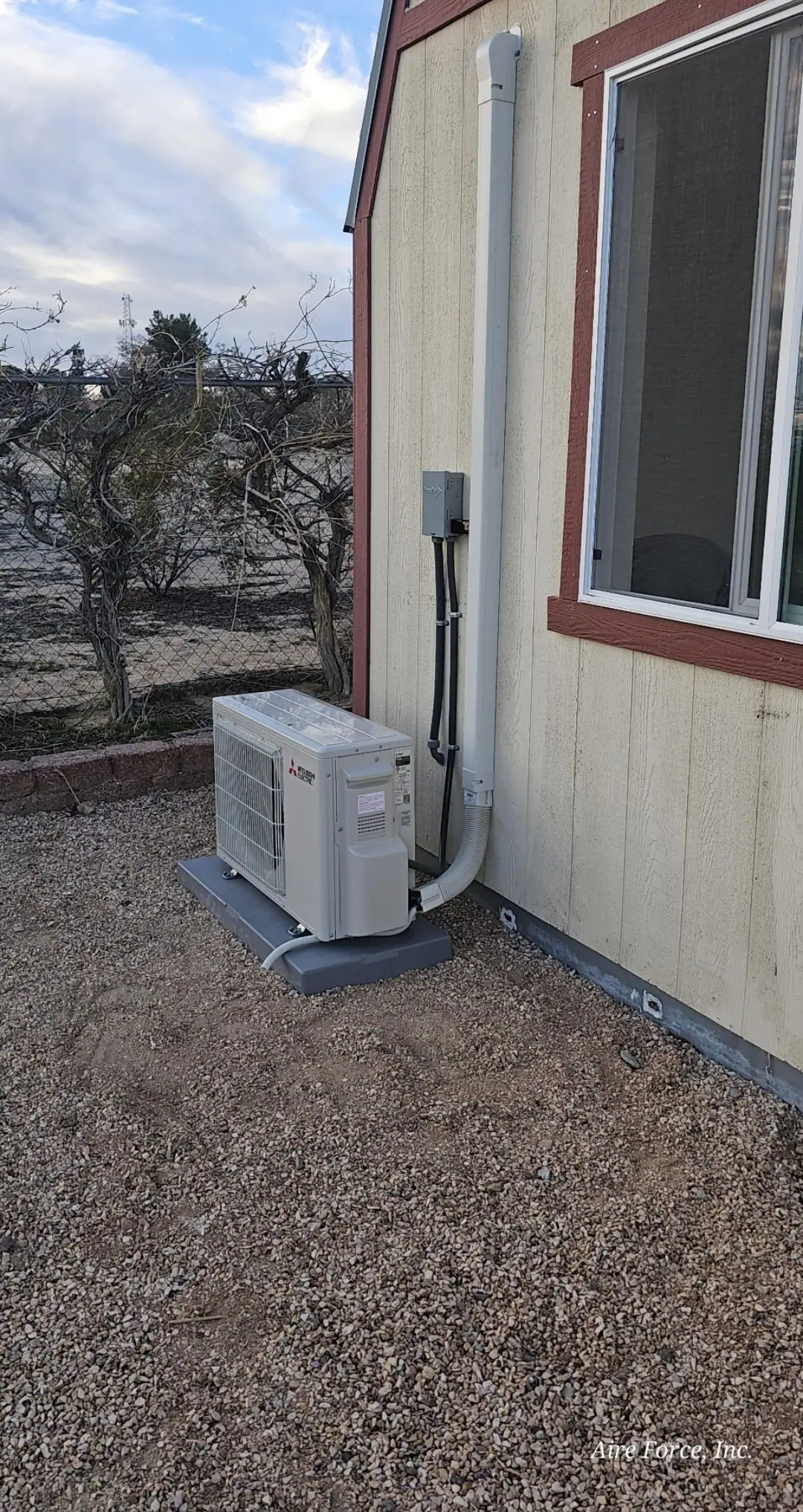
The thermostat can only control the temperature where it is. On an outside wall, in afternoon sun, next to a supply vent, by the kitchen or beside a door that opens to the yard, it reads a temperature the rest of the house doesn’t have, and the system runs too long or quits too early.
The best spot is an inside wall in a room you use, about at eye level, out of the sun and away from drafts and vents. Moving a thermostat means running new wire, but when it has been fooling the system for years, it is often the cheapest comfort fix in the house.
Common thermostat problems
Most thermostat calls come down to a few symptoms:
| What you notice | What it often means |
|---|---|
| Blank screen | Dead batteries, a tripped breaker or service switch, or a safety switch on a clogged condensate drain that cut power to the controls |
| “Wait” or a timer on the screen | A built-in delay that protects the compressor for a few minutes after it shuts off |
| The setting changes by itself | A schedule or a hold that is still active, or a smart thermostat following its own program |
| The house doesn’t match the setting | A thermostat in sun or a draft, a sensor that is off, or a system that can’t keep up |
| Short on, short off cycles | A bad location, a setting that needs adjusting or an oversized system |
| Fan won’t stop | Fan set to On instead of Auto, or a stuck relay |
| No response at all | Loose or damaged wiring, a blown fuse on the control board, or a failed thermostat |
What to check before you call
A few checks solve a lot of thermostat trouble:
- Mode and setting. Heat in winter, Cool in summer, set a few degrees past the room’s temperature.
- Batteries. Many thermostats run on them even when they are wired, and a weak battery can cause odd behavior before the screen goes dark.
- Schedule and hold. A forgotten schedule or vacation hold can override what you just set.
- Power. Check the breaker for the furnace or air handler and the service switch near it, which looks like a light switch.
- Water near the indoor unit. If the condensate drain is backed up, a safety switch may have shut the system off on purpose.
- The filter. A clogged filter can make a furnace overheat and shut down, which looks like a thermostat problem.
If the checks don’t bring it back, our heating repair and AC repair pages cover what to look for in the equipment.
Old thermostats and the rules
Older round and lever thermostats often hold a small glass vial of mercury. In California they can’t go in the trash: the Department of Toxic Substances Control says state law bans throwing mercury thermostats away with household garbage, and they are handled as universal waste.
California’s Energy Code also calls for a setback thermostat when a central air conditioner is replaced, so a new system usually comes with a new thermostat anyway. Our AC installation and heating installation pages cover the rest of a new system.