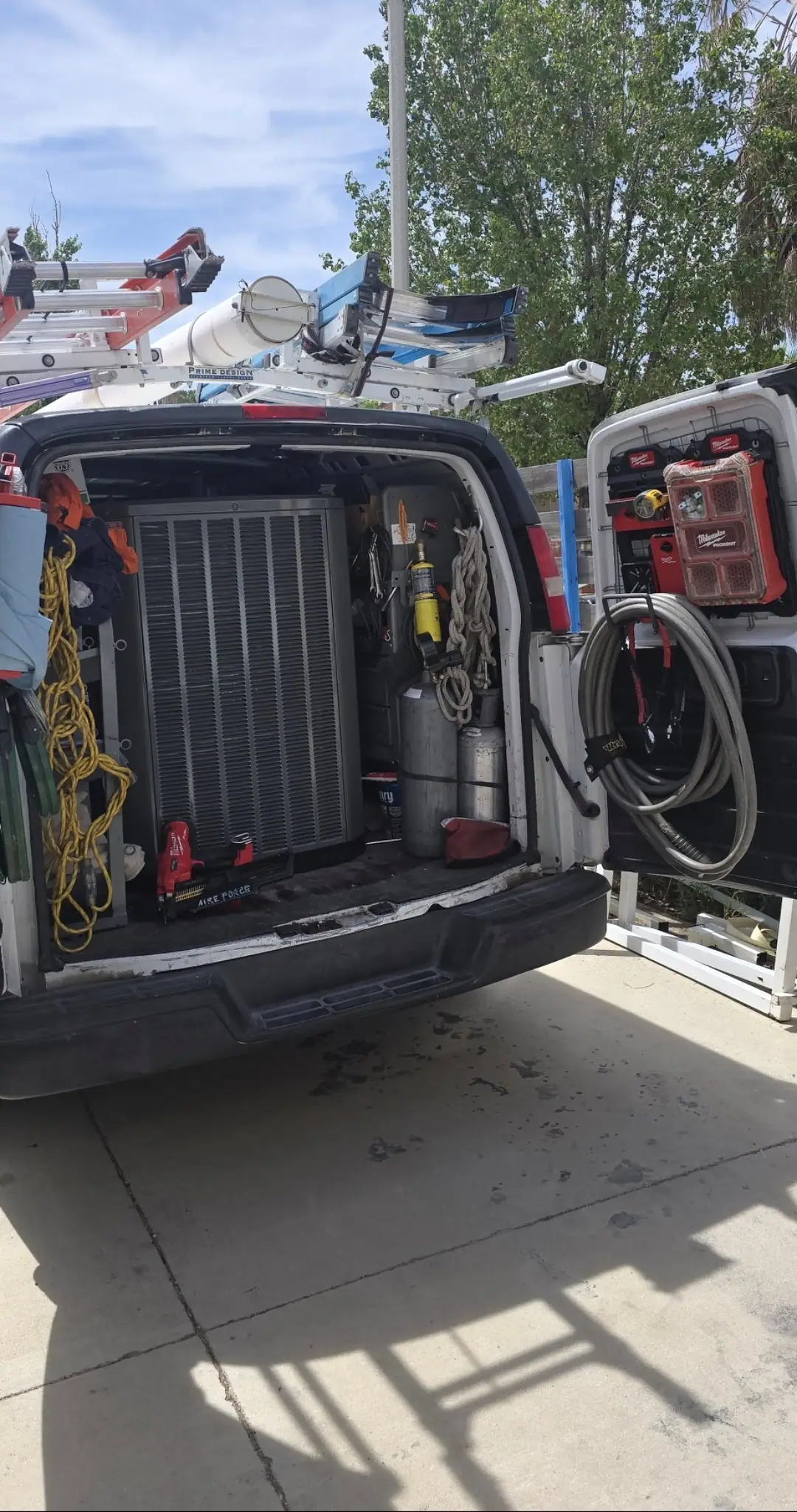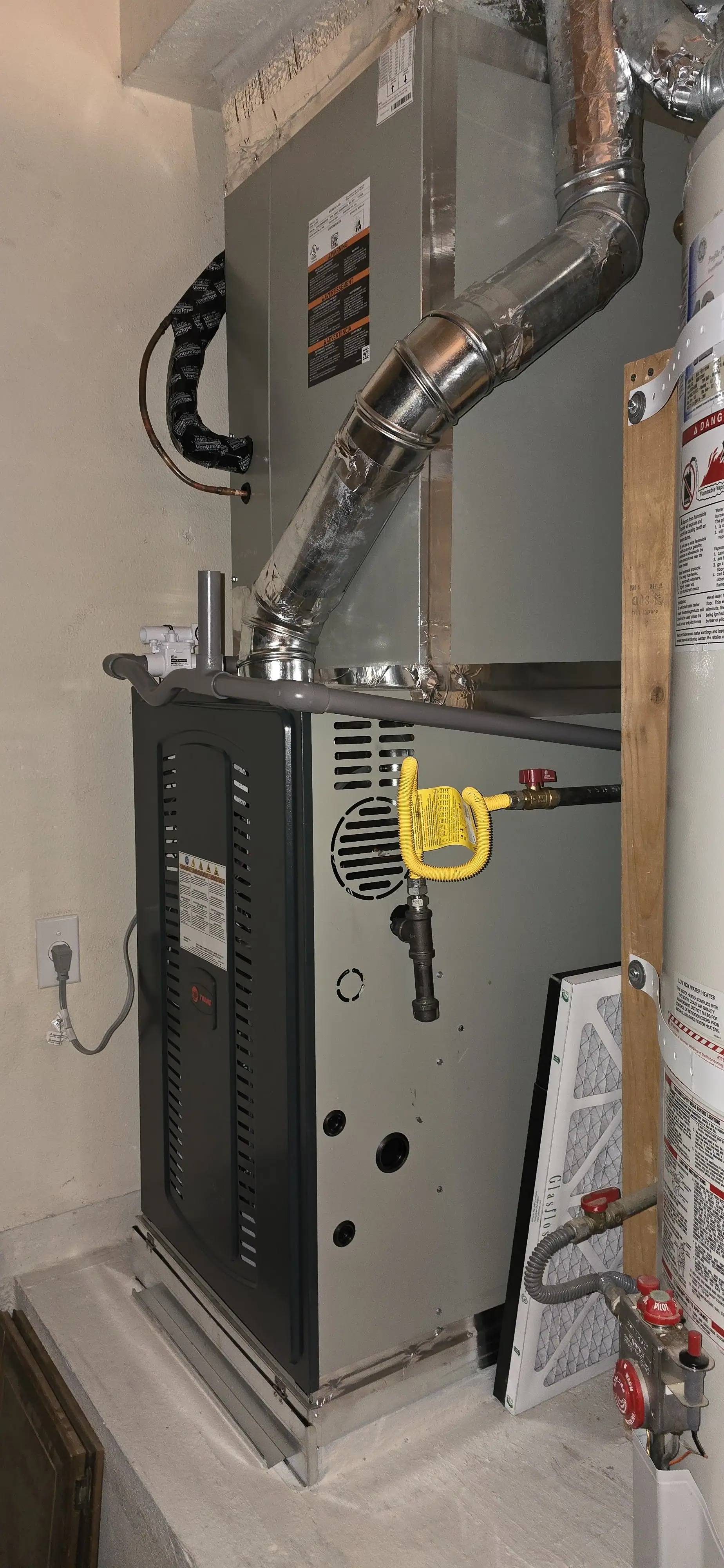
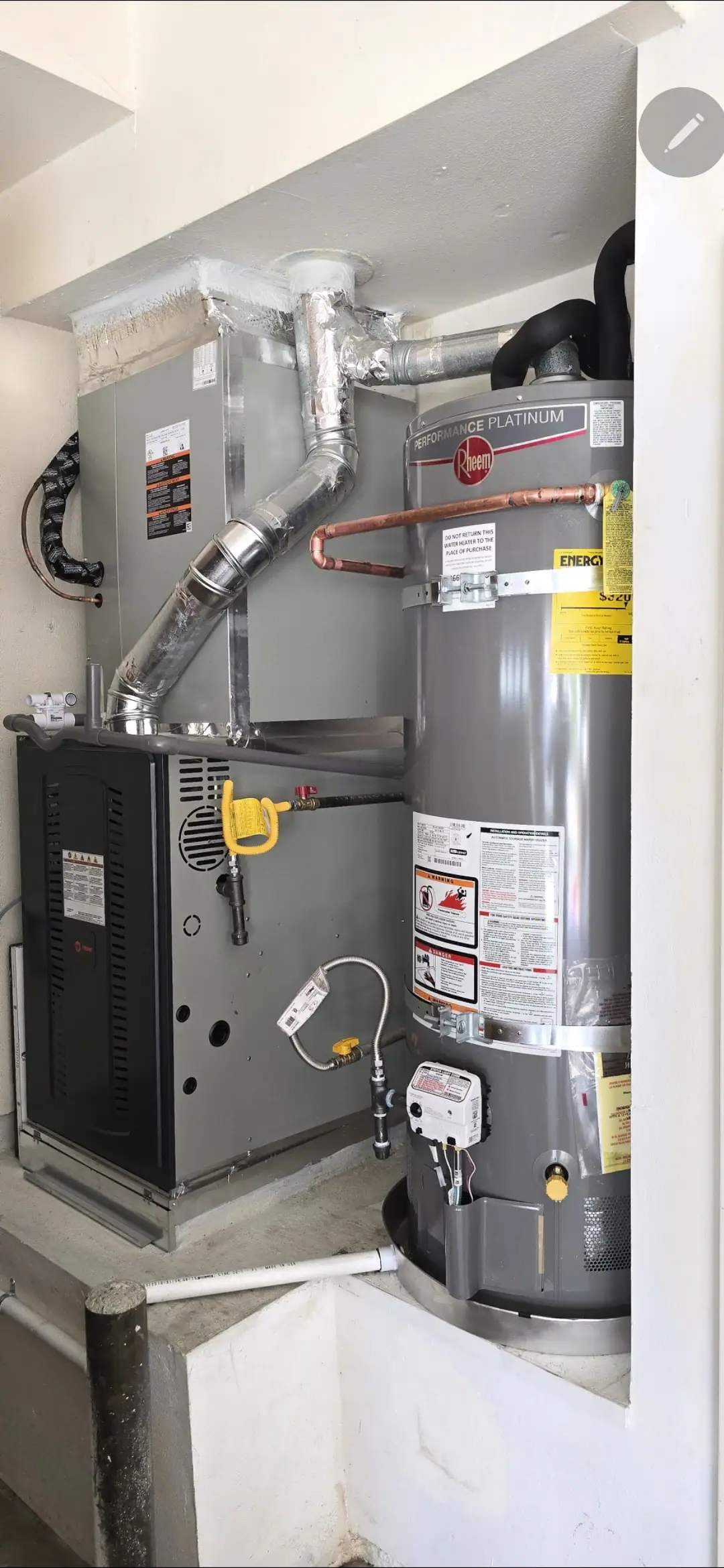
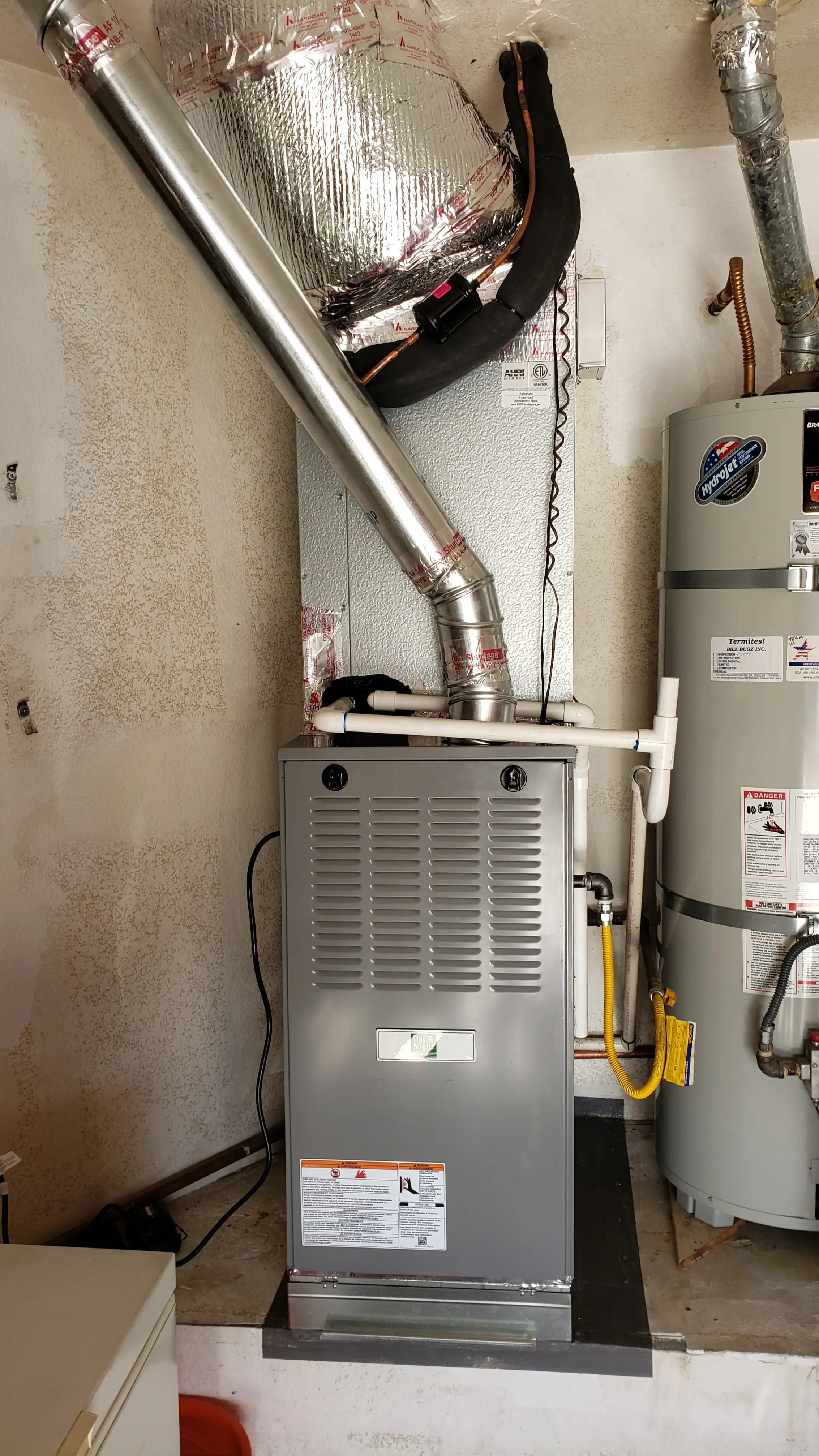
The heating systems we work on
Valley homes heat in a handful of ways, and each has its own upkeep:
| System | Good to know |
|---|---|
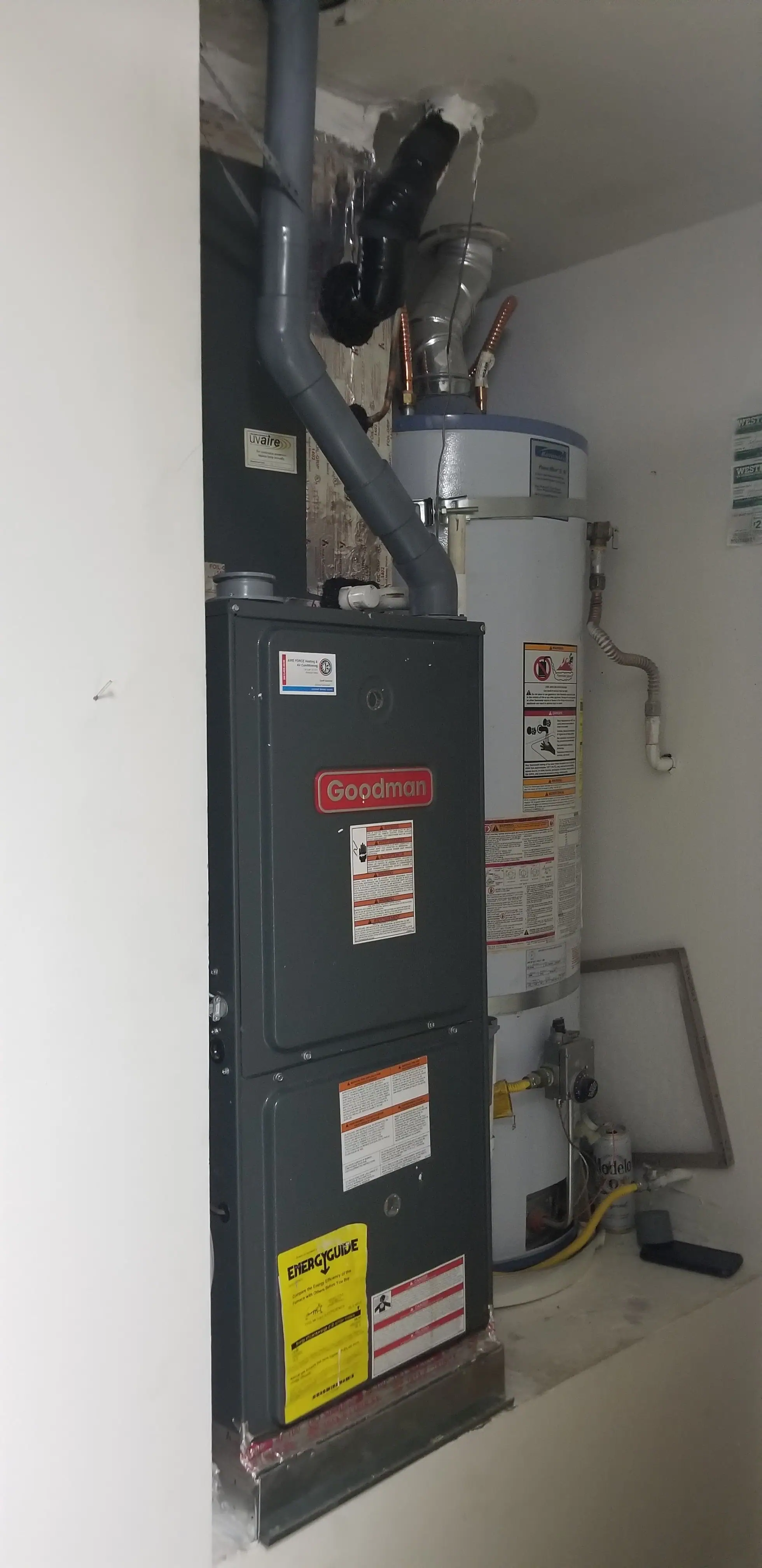
| Gas furnace | Heats fast through the ducts; burners, flame sensor, venting and safety switches need a yearly check |
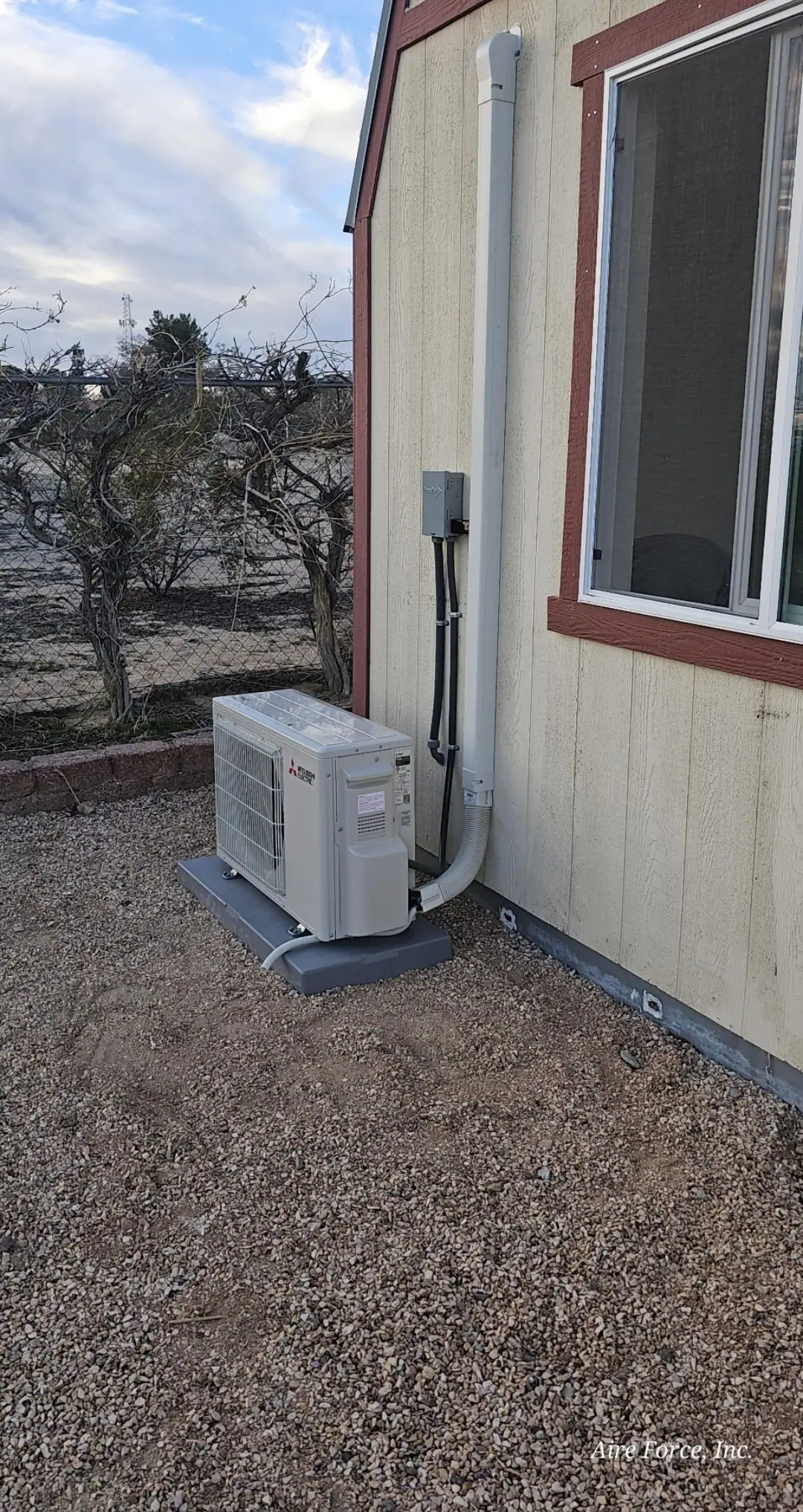
| Heat pump | Heats and cools with one outdoor unit on electricity; defrosts itself on cold, damp mornings |
| Heat pump with a furnace backup | The heat pump carries most of the winter and the furnace takes the coldest mornings |
| Ductless mini-splits | Heat room by room with no ducts; washable filters in each indoor unit |
| Propane furnace | Works like a gas furnace, fed from a tank; common where there is no utility gas, as in parts of Acton |
Whatever heats the house, the ducts, the filter and the thermostat are part of the same system, and a problem in any of them can feel like a heating problem.
What a heating contractor does
A heating contractor installs, repairs and services the equipment that heats a building, along with the ducts, vents, gas connections and controls that go with it. In California that work takes a contractor’s license from the Contractors State License Board, and heating and air conditioning fall under the C-20 classification, for warm-air heating, ventilating and air conditioning.
Before hiring anyone, look the license up on the CSLB license search. It shows whether the license is active, its classifications, and its bond and workers’ compensation status. Aire Force Inc holds California license #1011271.
Furnace or heat pump for a valley home
The big heating choice today is whether to stay with a gas furnace or move to a heat pump. A heat pump heats and cools with one outdoor unit, so it makes the most sense when the air conditioner is due too. A gas furnace makes sense when it is newer than the AC, or when you want gas heat on the coldest mornings. Plenty of homes split the difference, with a heat pump doing most of the heating and a furnace as backup.
What each costs to run depends on your gas and electric rates and the efficiency of the equipment, so the fair comparison uses your own bills. Our guides to heat pump heating in a valley winter and heat pump rebates in Palmdale go deeper, and our heating installation page covers furnace efficiency and sizing.
Keeping the heat safe
A gas furnace should be looked at once a year, before it has to run every night. The EPA recommends a yearly inspection, cleaning and tune-up of central heating, and lists leaking furnaces among the indoor sources of carbon monoxide. Keep the space around the furnace clear of stored boxes, paint and anything that burns.
Every home with a gas furnace needs a carbon monoxide alarm outside the sleeping areas under California law. If you ever smell gas, get everyone out first and call SoCalGas from outside, without flipping switches on the way.
When to call
Call before the cold if the heat ran rough last winter, made new noises, or smelled of more than a little dust burning off the first time it came on. Call right away if the furnace lights and then shuts off, blows cold air, or stops answering the thermostat.
Our furnace and heating repair page lists the usual causes and what to check first, and our maintenance page covers the fall heating check. When you call, you talk to Geoff.