Where your filter is
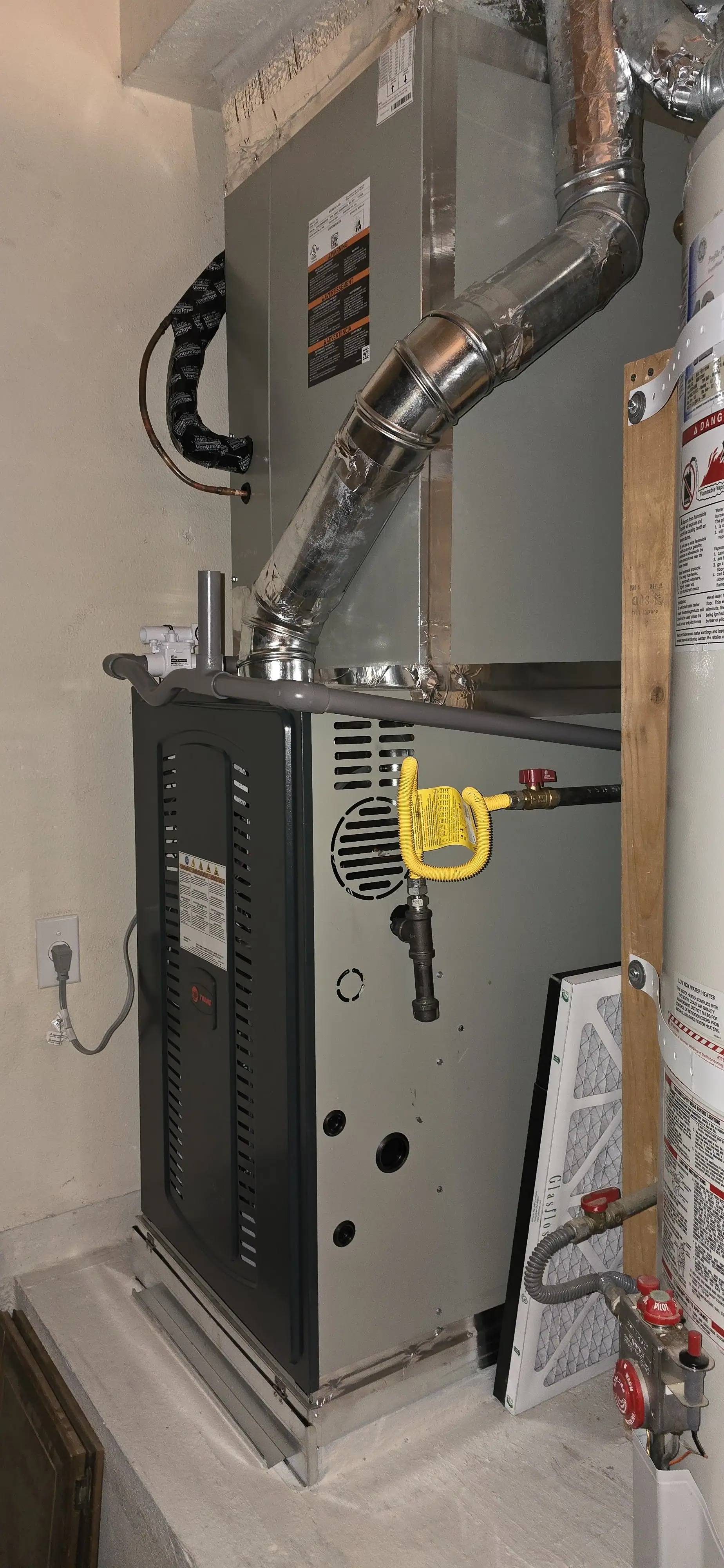
On a central system the filter sits on the return side, before the air reaches the equipment, in one of a few places:
- Behind a return grille in a hallway wall or ceiling. The grille swings open or comes off, and the filter slides out.
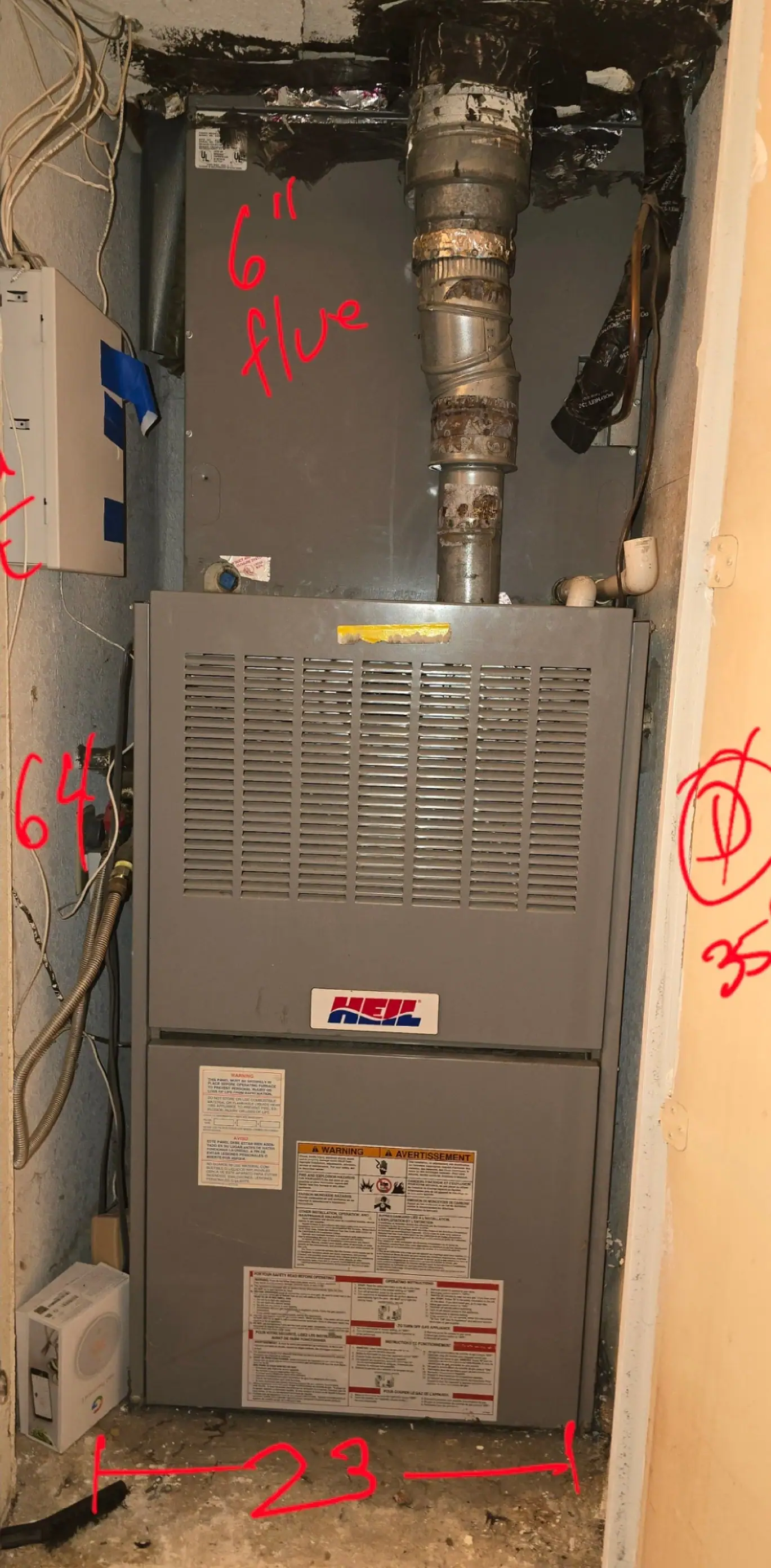
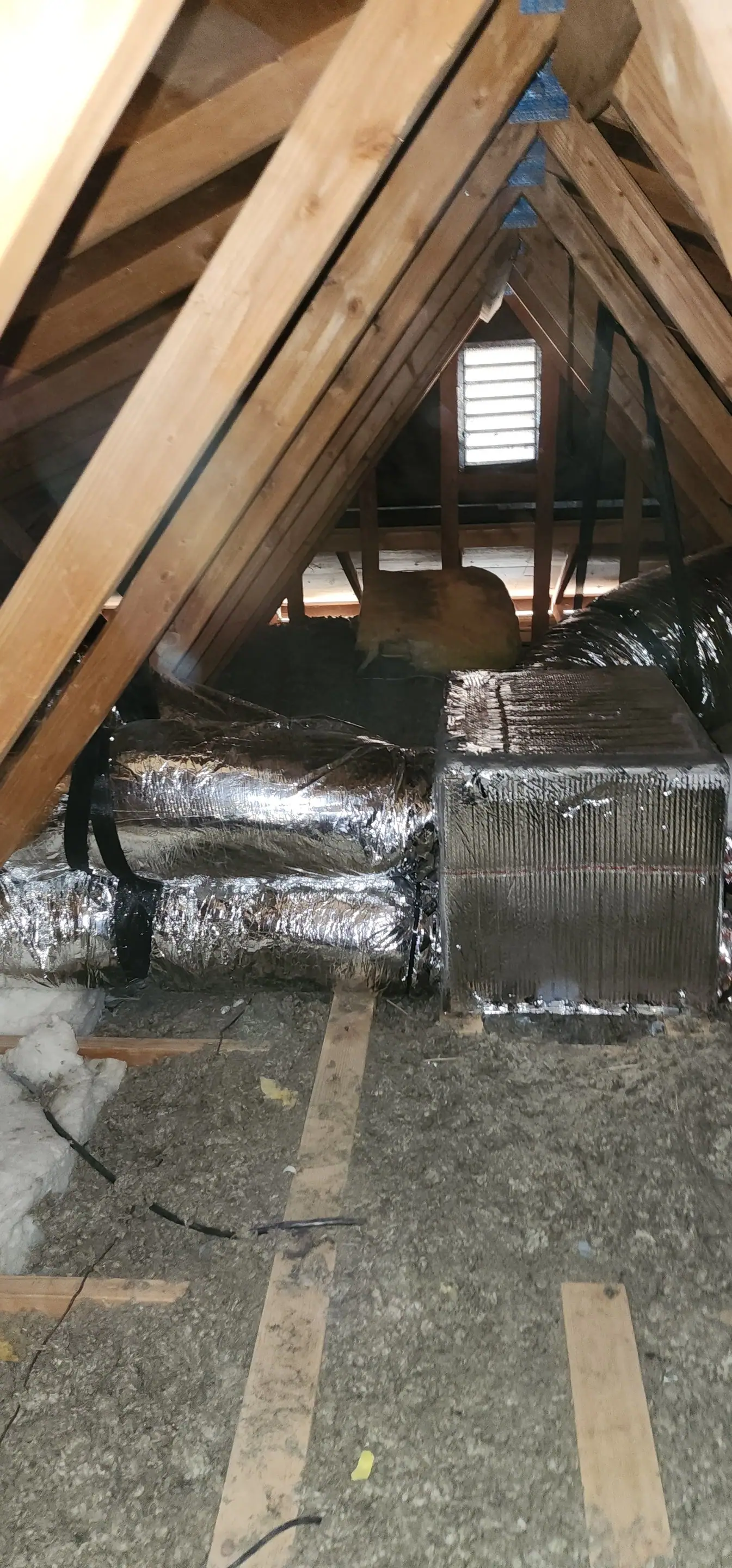
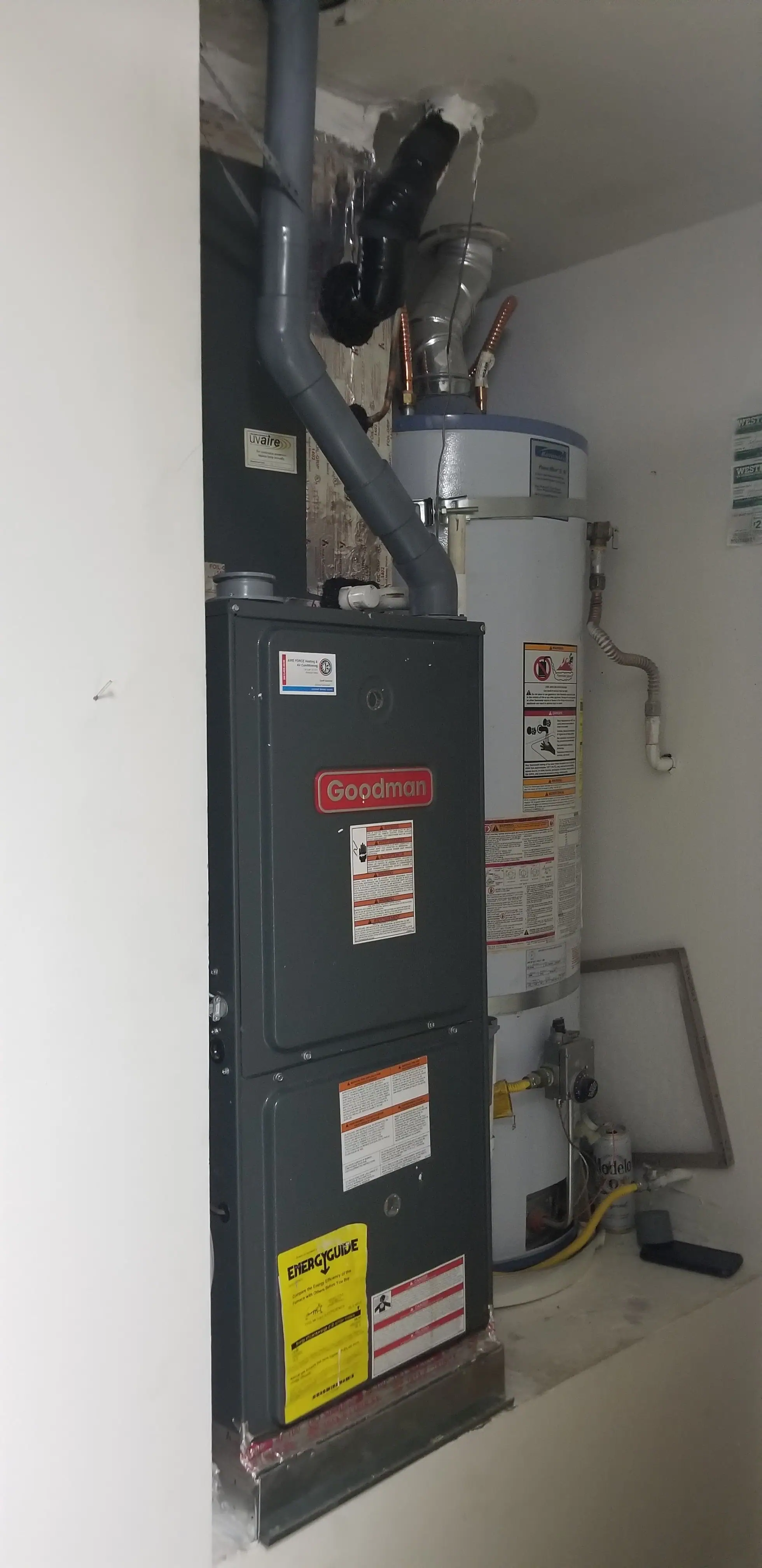
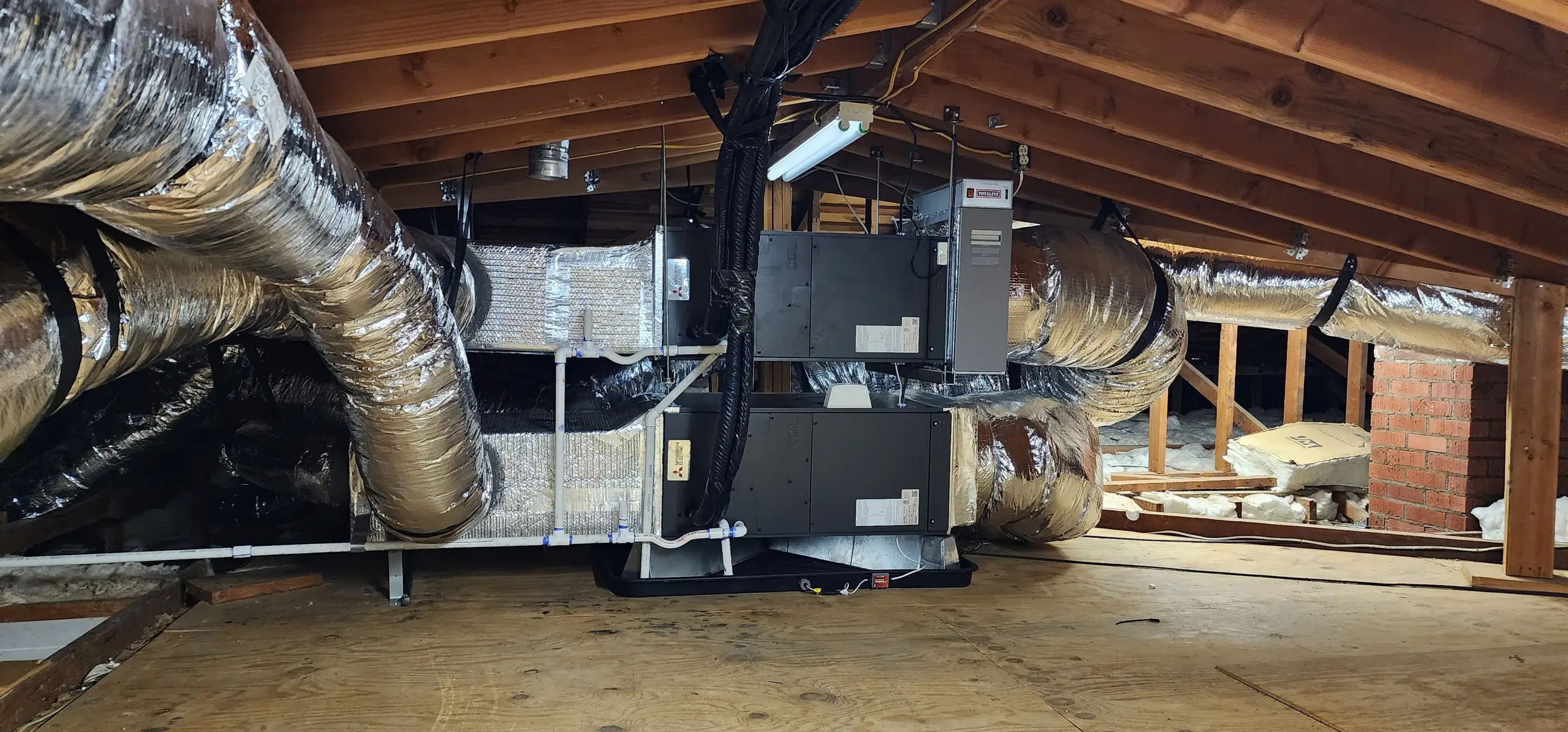
- In a slot at the furnace or air handler, in a closet, the garage or the attic, often behind a small cover.
- In a filter cabinet beside the equipment, which holds a thicker filter.
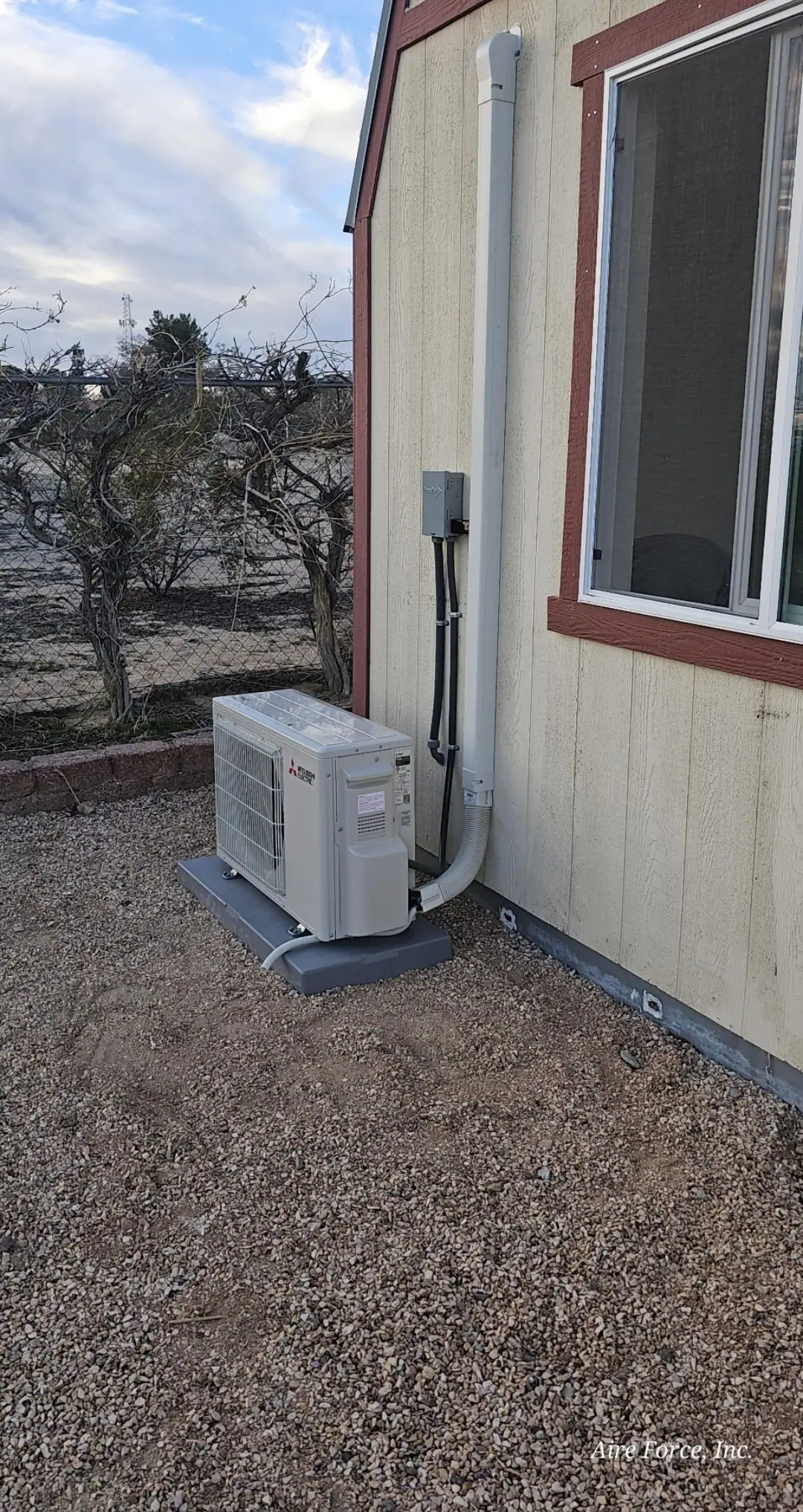
- In each mini-split indoor unit, as washable screens behind the front panel.
A system needs a filter in one place, not two stacked in a row. Two filters choke the airflow. If your equipment is in the attic, it is often easier to have it changed than to climb up every month.
How often to change it in the valley
In the Antelope Valley the monthly check matters. WeatherSpark puts the windier part of Palmdale’s year from November into June, and after a dust storm a filter that looked fine can be gray. Pets, construction nearby, a house at the edge of open desert and running the fan all day all shorten the schedule. A filter that clogs much faster than it used to can also mean a leak on the return side of the ducts pulling in attic dust, which our duct repair page covers.
Picking the right filter
Three things decide the right filter: the size, the thickness and the rating. The size is printed on the edge of the old one, such as 16 x 25 x 1, and the new one should match it exactly. A gap around the edge lets dust skip the filter entirely.
| Filter | What it does well | Keep in mind |
|---|---|---|
| Fiberglass, 1 inch | Catches big dust and lint; cheap | Lets fine dust through to the coil |
| Pleated, 1 inch | Catches far more fine dust | Clogs faster in dusty months |
| Higher-rated pleated (MERV 11 to 13) | Catches fine particles, smoke and allergens | Only if the system can move air through it |
| Thick media, 4 to 5 inches | High rating with less restriction; lasts longer | Needs a filter cabinet made for it |
| Washable | Reusable | Has to be cleaned and fully dried, and catches less |
The rating is MERV: the higher the number, the smaller the particles it catches, as the EPA explains. A high-rated filter jammed into a slot made for a basic one can starve the system of air, so the rating should match what your equipment can handle. Our air purifier installation page covers filter cabinets that make room for a better filter.
What a clogged filter does
A clogged filter doesn’t just let dust through. It cuts the airflow, and the system reacts:
- The air conditioner can ice up. With too little air across the coil, it gets cold enough to freeze, and the cooling stops.
- The furnace overheats and its safety switch shuts the burners off, so the house gets cold air or no heat at all.
- The bills rise, because the system runs longer to move the same heat.
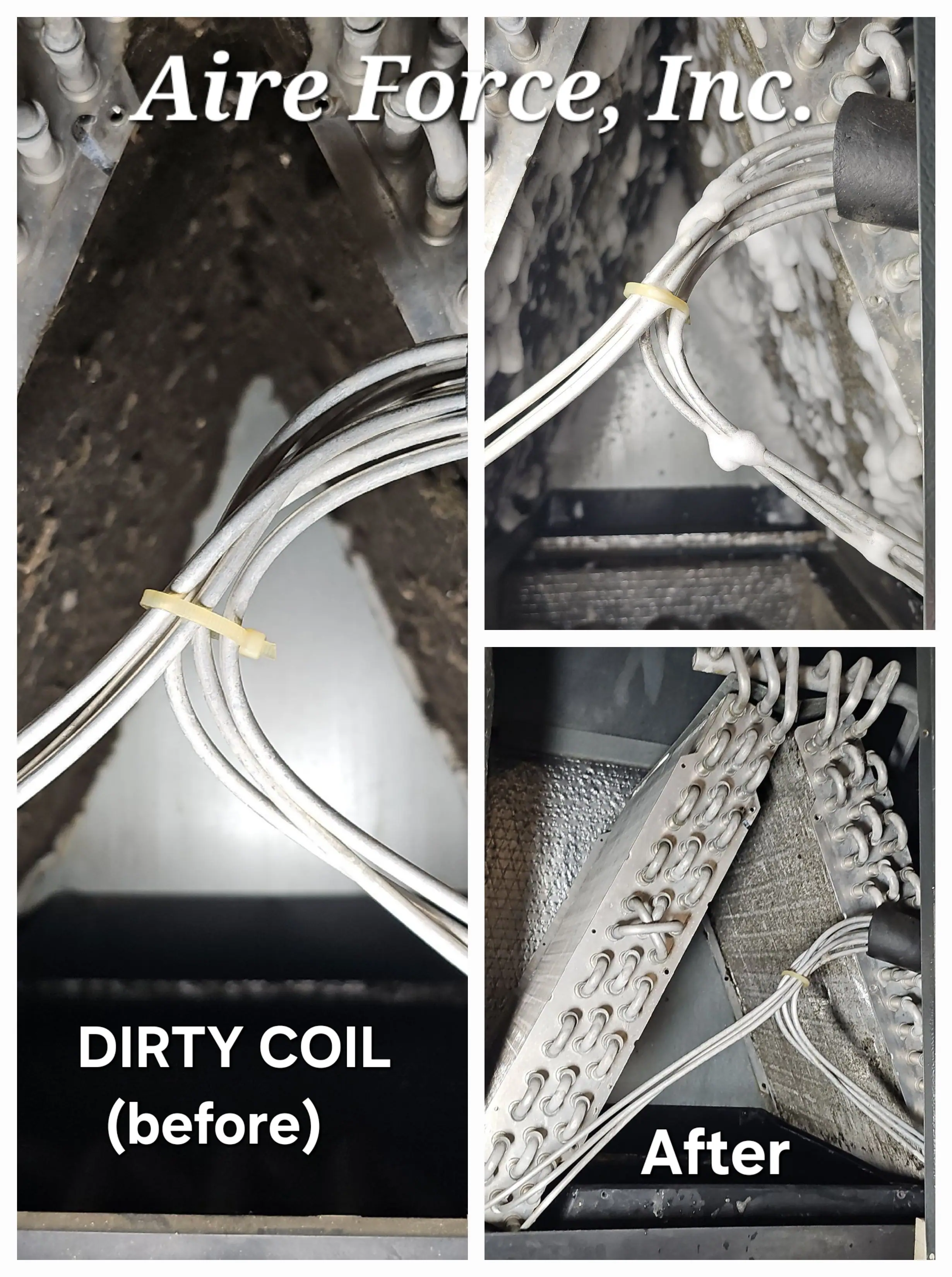
- The coil gets coated, since dust that gets around a loaded filter sticks to the wet coil.
If your system iced up or quit and the filter is gray, change it and let the ice melt before running the cooling again. If it still won’t cool or heat, see our AC repair or heating repair pages.
Filters and wildfire smoke
When smoke rolls into the valley, the central system can help clean the air inside. The EPA suggests a high-efficiency filter such as a MERV 13, or higher if the system can handle it, and running the fan set to On instead of Auto while the air is bad, so the air keeps passing through the filter.
If your system has a fresh air intake, the EPA says to close it or set it to recirculate during smoke. Plan to change the filter more often than usual during heavy smoke, and right away when it looks dirty.
Changing it yourself
Changing a filter is one of the few HVAC jobs anyone can do. Turn the system off, slide out the old filter and note its size and the arrow printed on its edge. Put the new one in with the arrow pointing toward the equipment, the way the air flows, and write the date on its edge so you know when it went in.
If the filter is in the attic, behind a tight closet door or in a slot you can’t find, have it done instead. We replace filters on every tune-up, and our maintenance visits also clean the coils the filter is protecting.